
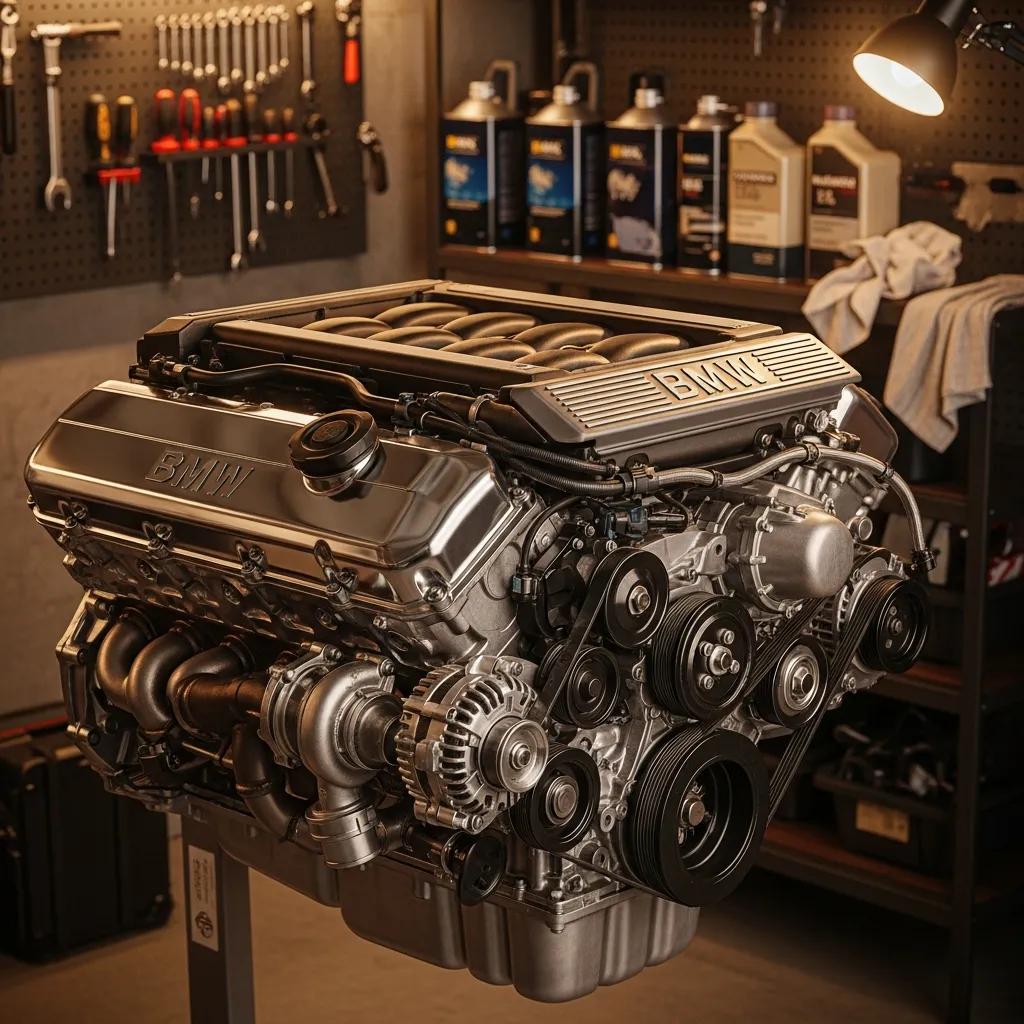
Many Boxford drivers don’t realize these everyday habits accelerate oil contamination, encourage deposit buildup and put extra strain on components meant to run at full operating temperature. Below we walk through how that wear develops, why Boxford winters make it worse, and the preventive services Schneller BMW & Mini Specialists recommend to reduce risk.
Understanding how short trips and cold starts affect your BMW makes it easier to protect performance and avoid expensive repairs. We’ll outline the common symptoms, the maintenance priorities, and the diagnostics that catch problems early.
Short trips and cold starts increase wear for a few predictable reasons: oil dilution, slower warm‑up and incomplete combustion. If the engine never reaches normal temperature, oil doesn’t reach optimal flow or viscosity and combustion can leave unburned fuel. Over time that reduces lubrication and accelerates wear on bearings, piston rings and valvetrain parts.
Oil dilution occurs when fuel mixes with engine oil — most commonly during brief, cold runs or extended idling that prevent full combustion. Diluted oil loses viscosity and the protective additives that form a proper film on moving parts. You may notice higher oil use, a faint fuel smell on the dipstick, or oil that appears thinner than usual. Regular oil changes and watching oil level and condition are the best ways to limit dilution-related damage.
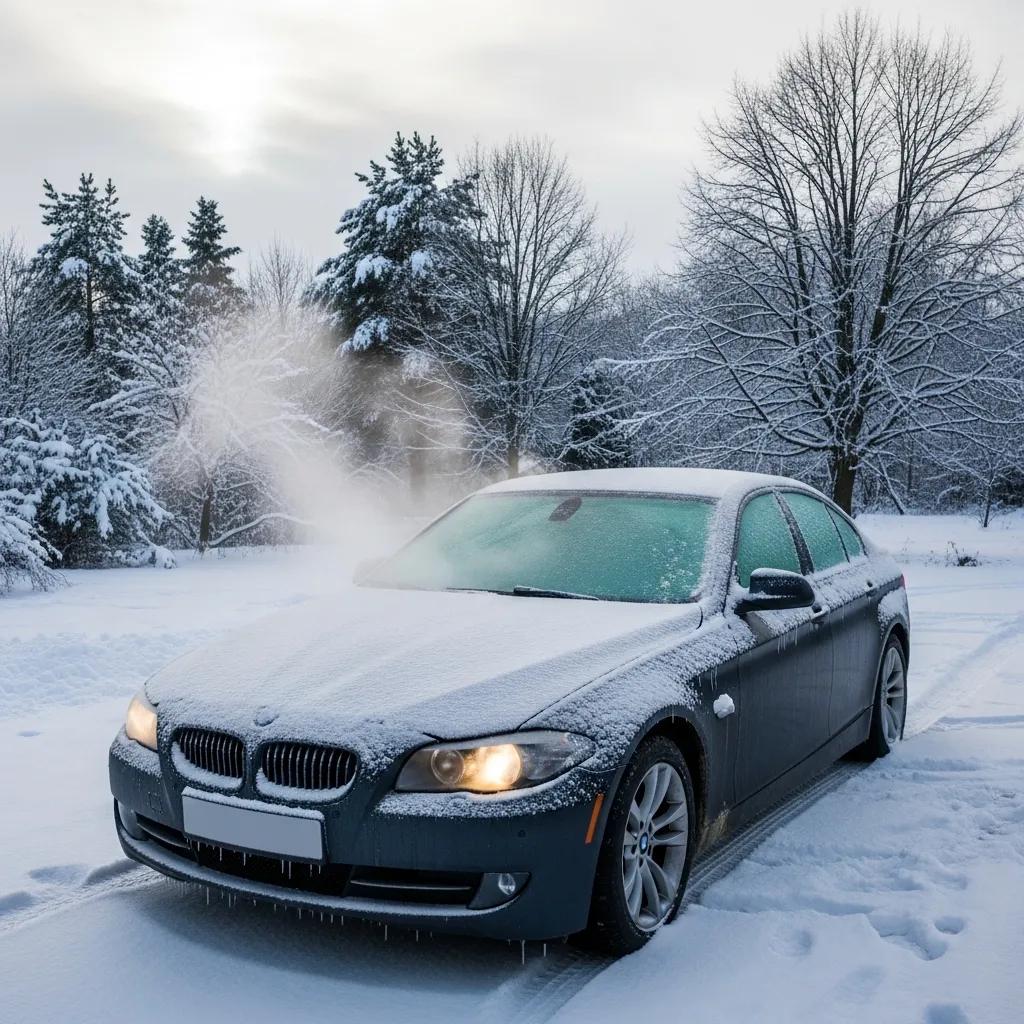
Boxford’s winters make cold‑start problems worse. Thickened oil at low temperatures takes longer to circulate, so moving parts run with less protection for a longer period. Engines also need more time to reach the temperature where combustion is cleanest. For winter driving we recommend synthetic oils selected for low‑temperature flow and a maintenance cadence tuned to frequent cold starts.
Stop‑and‑go driving encourages incomplete combustion and extended idling, both of which promote carbon buildup and reduce fuel economy. Over time deposits collect on intake valves, injectors and in combustion chambers, which lowers performance, increases emissions and can cause drivability issues.
Carbon forms when fuel doesn’t burn fully, adhering to injectors, valve faces and ports. The result is restricted airflow, uneven fuel delivery and a higher risk of misfires. Regular fuel‑system cleaning, using quality fuel and addressing drivability symptoms early will limit deposit formation and keep the engine running smoothly.
Catalytic converters and diesel particulate filters (DPFs) rely on high exhaust temperatures to regenerate and burn off trapped material. Frequent short trips often don’t let exhaust reach those temperatures, which can cause clogging, reduced efficiency and warning lights. An occasional longer drive or targeted service helps these systems stay functional.
Short trips can prevent the alternator from fully recharging the battery, particularly when accessories are in use and temperatures are low. Over time that leads to reduced battery life and premature failure. Boxford’s cold weather adds extra strain, so regular battery checks are important.
Cold reduces a battery’s available cranking power and slows the chemical reactions that produce current, so a partially charged battery struggles more in winter. Combined with short trips that don’t restore charge, this increases the chance of no‑start events. Routine battery testing, clean terminals and pre‑winter inspections help avoid surprises.
Short trips that don’t fully heat the exhaust let moisture and unburned fuel remain in the system, which encourages internal condensation and rust. Left unchecked, corrosion leads to leaks, increased noise and reduced efficiency. Periodic inspections and early attention to surface rust will extend exhaust life.

At Schneller BMW & Mini Specialists we recommend a few targeted services for drivers who do mostly short trips. These steps limit oil contamination, protect emissions systems and preserve battery life so your BMW stays dependable between visits.
Our specialized oil service uses high‑quality synthetic oils at the right viscosity for your driving pattern — oils that resist dilution and protect components through repeated warm‑up cycles. That helps preserve ring sealing, bearings and overall engine performance between services.
The 54‑point inspection focuses on systems most affected by stop‑and‑go driving — engine seals, fluid levels, charging system and exhaust hardware — so we can spot early wear or contamination and recommend the right service before a breakdown occurs.
Advanced diagnostics reveal issues a visual check can miss. Factory‑level scan tools and live data show misfires, fuel trims and sensor behavior so we can find the root cause of drivability symptoms and intermittent faults.
Common check‑engine triggers tied to short trips include misfires, fuel system irregularities and emissions faults. These often need specialized tools to diagnose correctly and prevent repeat failures.
We use factory‑level diagnostic software to read detailed fault logs and run targeted tests. That precision lets our technicians identify hidden problems quickly and apply the right repair or adjustment the first time.
For Boxford drivers who do a lot of short trips, Schneller BMW & Mini Specialists brings focused experience and practical solutions. With more than 30 years servicing BMW and MINI vehicles, our team pairs factory‑level knowledge with local winter‑care experience to keep your car dependable.
Schneller BMW provides personalized service and deep BMW/MINI expertise without the dealership markup. Our technicians work exclusively on these brands, so maintenance and repairs are tailored to their engineering — often faster, clearer and more cost‑effective than at a general shop.
Our 3‑year/36,000‑mile warranty covers parts and labor on qualifying services, so you can rely on the work we do. It’s one way we stand behind our repairs and give you added peace of mind.
Watch for increased oil consumption, a faint fuel smell on the dipstick, reduced power or more frequent check‑engine lights. Hard starts, rough idle or unusual noises can also point to wear from short, cold runs. If you see these signs, schedule an inspection so we can identify the cause early.
Drivers who do mostly short runs should consider shorter oil intervals — many owners find benefit from changes closer to every 3,000–5,000 miles depending on use and oil type. Follow your owner’s manual and talk with your technician about a tailored schedule; choosing the right synthetic oil for short‑trip duty is also important.
Yes. Stop‑and‑go driving can keep transmission fluid cooler and circulating less effectively, increasing wear. That may cause harsh shifting, sluggish response or premature component wear. Regular transmission fluid checks and changes help maintain proper function.
Address exhaust corrosion promptly — rust or holes can cause leaks and performance loss. Schedule an inspection so we can assess damage and recommend repair or replacement. Early intervention often avoids larger costs down the road.
Keep terminals clean, test battery health before winter and limit very short trips that prevent a full recharge. If you park outside in extreme cold, consider battery insulation or a maintenance charger when the car sits for several days. Regular checks let you replace a weak battery before it leaves you stranded.
Fuel quality matters. Higher‑grade fuels with detergents and proper additives support cleaner combustion and reduce deposit formation. Combine good fuel with periodic fuel‑system cleaning and timely maintenance to minimize carbon buildup.
To reduce wear: avoid unnecessary short trips when possible, allow the engine to reach normal operating temperature before heavy load, and include occasional longer drives to clear exhaust and emissions systems. Pair these habits with scheduled maintenance and timely oil changes to keep your BMW running its best.
Short trips, stop‑and‑go traffic and cold starts are part of daily life — but they don’t have to shorten your BMW’s lifespan. With the right oil, regular inspections and precise diagnostics, you can minimize wear and keep your car performing as intended. If short drives are routine for you in Boxford, contact Schneller BMW & Mini Specialists — we’ll build a maintenance plan that fits your driving habits and protects your BMW for the long haul.

Monday – Friday: 9:00 AM – 5:00 PM
Saturday & Sunday: Closed