
By Mike Morris, Schneller BMW & MINI Specialists
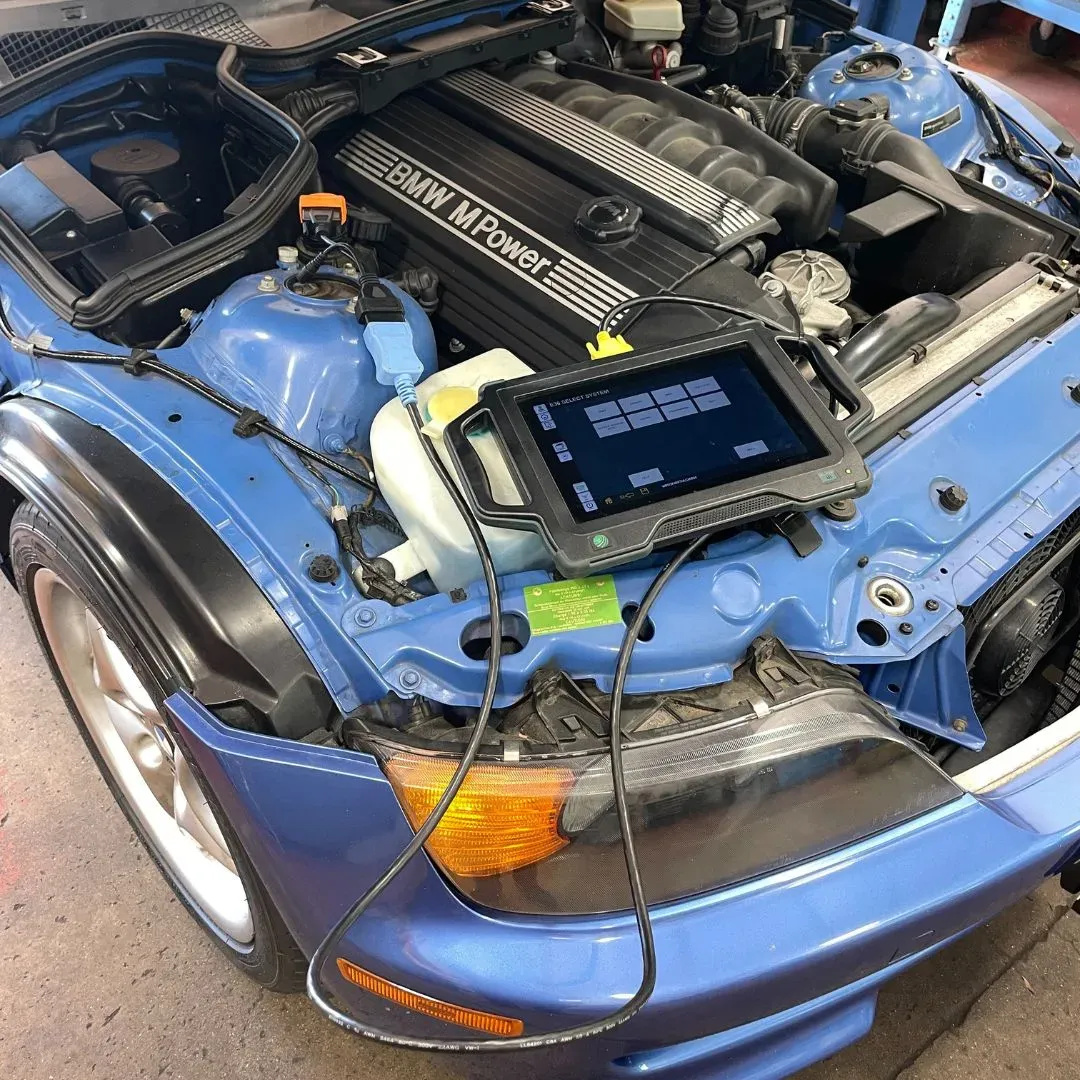
Hidden coolant loss with no puddles commonly stems from an expansion tank crack that only leaks under pressure when hot. This article explains why tanks crack, the effect on performance, and practical steps to prevent damage. Left unaddressed, hidden leaks can cause overheating and engine harm. We also describe how Schneller BMW inspects and replaces tanks in Haverhill.
Low coolant reduces temperature control and raises component stress, risking warped heads, blown gaskets, and engine failure. Early leak detection and repair limit costs and preserve reliability.
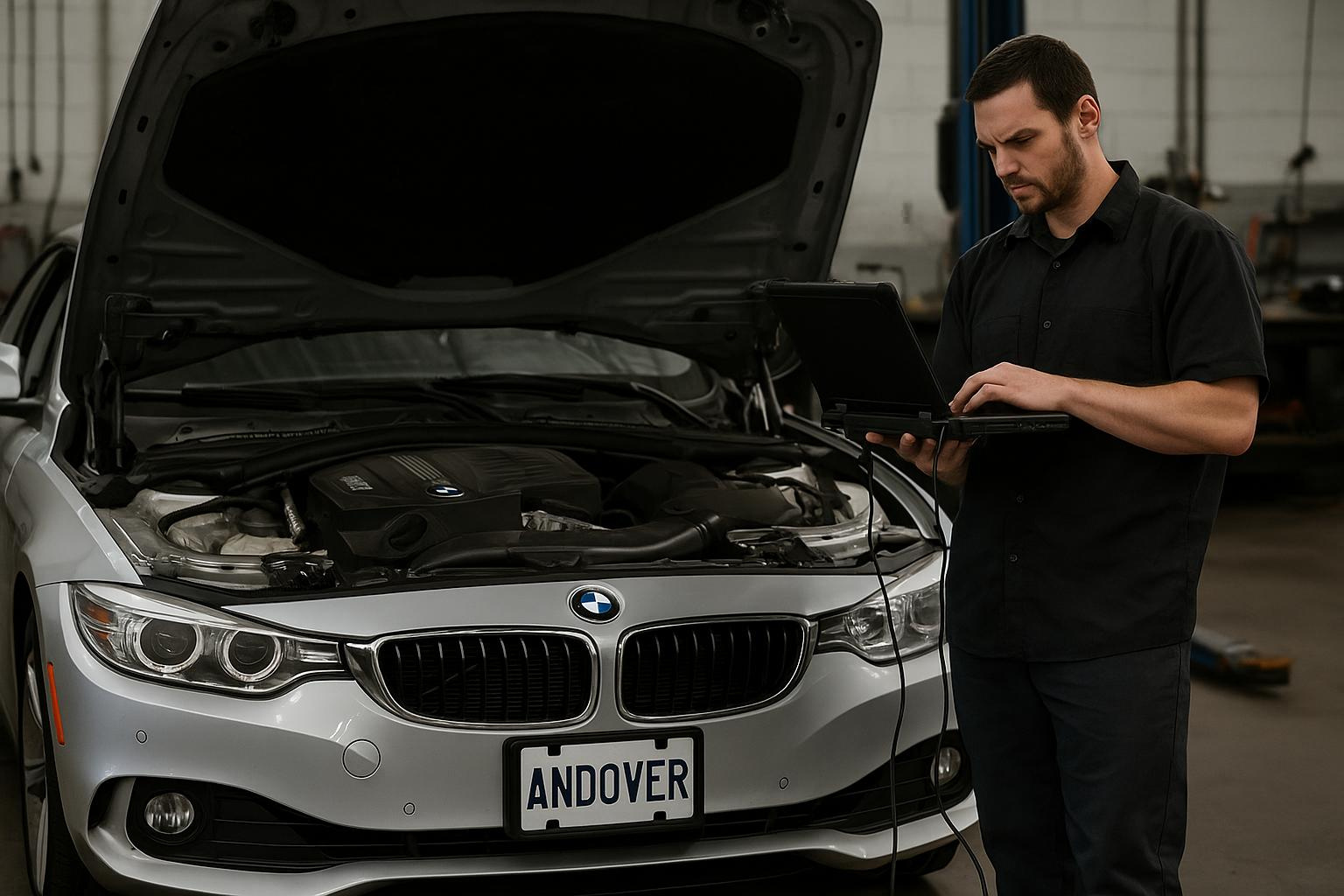
Preventing coolant loss requires routine maintenance and prompt replacement of worn parts.
Schneller BMW offers comprehensive coolant system inspections and maintenance to reduce roadside breakdowns and costly repairs.
Cracks often begin as hairline fractures and only leak under thermal pressure. Repeated heating cycles weaken the plastic so pressure swings force coolant out through tiny openings, producing loss without puddles beneath the car.
Aside from a cracked expansion tank, coolant can disappear because of failed water pumps, stuck thermostats, or damaged hoses. Each failure can cause circulation problems or hidden leaks that require a targeted fix.
Knowing these likely faults helps prioritise inspections and repairs.
High ambient temperatures accelerate polymer aging and increase thermal cycling. The plastic becomes brittle over time and is more prone to cracking during sustained heat.
Research shows the combined exposure to high temperatures and ethylene glycol significantly reduces the mechanical strength of common coolant system materials.
High Temperature & Ethylene Glycol Effects on Coolant System Failure
This study shows that combined exposure to high temperature and ethylene glycol is a critical factor in degrading the mechanical properties of PET-reinforced silicone rubber. The combined exposure is more destructive than either factor alone. Specifically, exposure to ethylene glycol plus a high aging temperature (200 °C) produced a 79% decrease in tensile strength; a 61% decrease was observed after exposure to high temperature and air.
The combined effect of high temperature and Ethylene Glycol (EG) on Polyethylene Terephthalate (PET)-reinforced coolant hose failure in combustion engines, 2021
Most BMW expansion tanks are made from plastic polymers that lose toughness with age and heat. Repeated expansion and contraction create stress points where fatigue cracks form. Regular checks detect early wear before a failure.
Research on polymer use in cooling systems confirms how common plastic components are in radiators and related parts.
Polymeric Components in Automotive Coolant Systems
Plastic components are widely used in coolant systems, including radiator end tanks, water pump impellers, inlets, outlets, and thermostat housings.
Compatibility of External Life Coolant Systems with Plastic Components, 1997
Overheating raises system pressure and speeds material breakdown. Boiling or vapor pockets increase stress on tank walls; aged tanks may crack under those conditions. Address overheating promptly to reduce tank and engine damage risk.
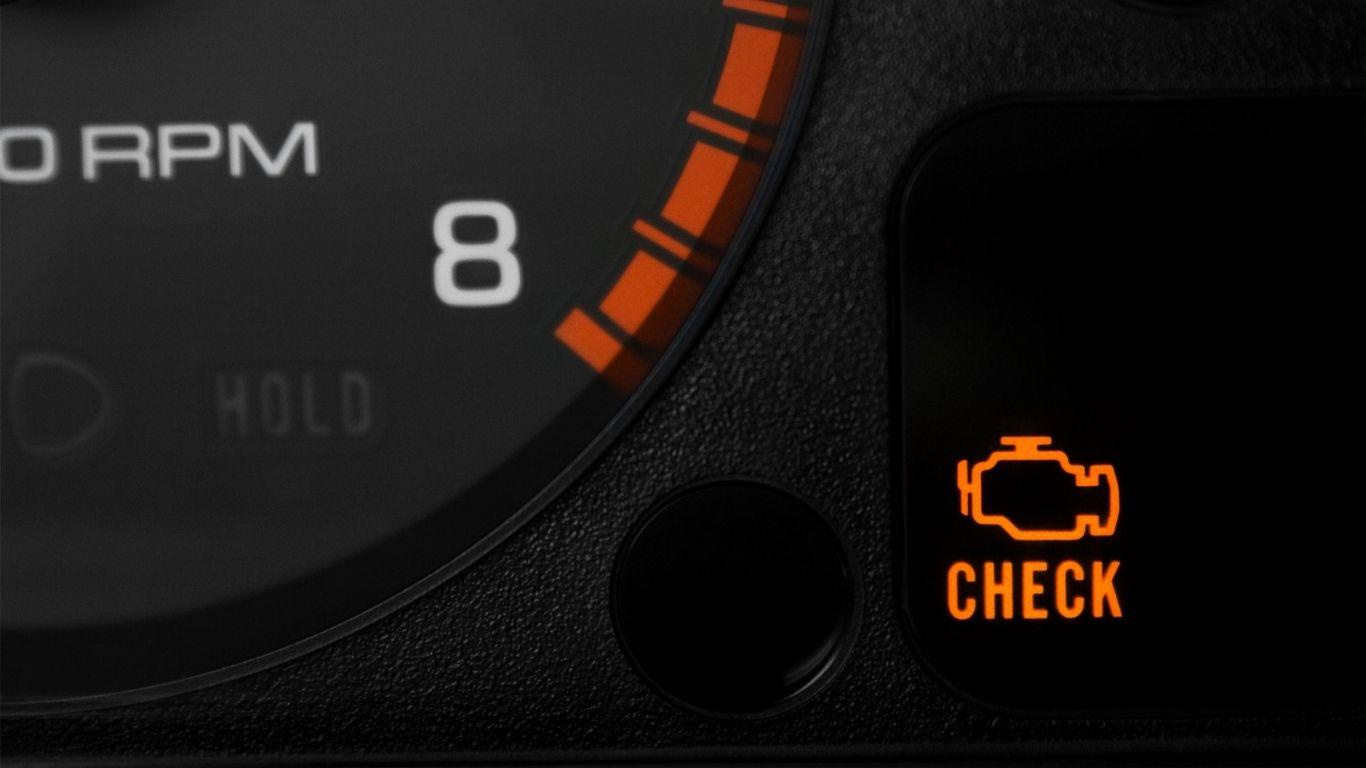
Recognising symptoms early lets you intervene before serious damage. Common signs are below.
Noting any of these signs allows time to arrange an inspection and avoid worse issues.
Look for a sweet coolant smell, a sudden drop in reservoir level, or visible cracks. Inspect when the engine is cool and use a flashlight to locate hairline fractures.
Addressing these signs quickly reduces the risk of overheating and expensive repairs.
Watch for an erratic temperature gauge, steam from the engine bay, and persistently low coolant. Any of these should prompt a detailed inspection to identify the cause.
Early detection keeps the BMW running and avoids costly engine repairs.
Schneller BMW in Haverhill offers targeted coolant inspections and expansion tank replacement. Technicians follow proven procedures to find leaks and assess component condition for a reliable diagnosis.
The 54-point inspection combines visual checks, pressure testing, and diagnostic scans to locate visible and hidden failures across the cooling system.
This inspection verifies system integrity and pinpoints concerns before they cause breakdowns.
Replacing a faulty expansion tank restores coolant flow and temperature control, lowering overheating risk and avoiding more costly engine repairs later.
Costs vary by model and labour; ask Schneller BMW for an itemised estimate for your vehicle. Contact us to schedule your service or get a quote.
Check the reservoir, hoses, and water pump for visible leaks. If you can’t find the source, book a professional inspection to locate hidden leaks and avoid overheating.
Inspect annually or every 15,000 miles, whichever comes first. In very hot climates or heavy traffic, check more frequently.
No — use the manufacturer-recommended coolant to protect against corrosion and preserve cooling performance.
Chronic coolant loss can cause repeated overheating, warped heads, blown gaskets, and eventual engine failure. Regular checks prevent these outcomes.
Look for a sweet smell, low reservoir levels, or visible cracks. If present, have the tank inspected and replaced if necessary.
Costs vary by model and labour; replacement is typically more affordable than repairing overheating damage. Ask for a detailed quote.
Visually inspect the engine bay for wet spots and use a cooling-system pressure tester to find hidden leaks. For a complete diagnosis, consult a professional.
Hidden coolant loss without a puddle often points to an expansion tank issue. Inspect the cooling system regularly, replace aged components, and address overheating promptly. Contact Schneller BMW to schedule a thorough coolant-system inspection and, if needed, an expansion tank replacement to keep your BMW reliable.

Monday – Friday: 9:00 AM – 5:00 PM
Saturday & Sunday: Closed