
By Mike Morris, Schneller BMW & MINI Specialists
Overheating in a BMW during hot days and stop-and-go traffic is common but usually preventable. This article summarizes the main causes, quick responses, and maintenance steps for BMW owners in North Andover, and explains how Schneller BMW can assist.
When ambient temperatures are high and airflow is limited, any weakness in the cooling system becomes critical. Early detection of leaks, failing components, or blockages prevents major engine damage.
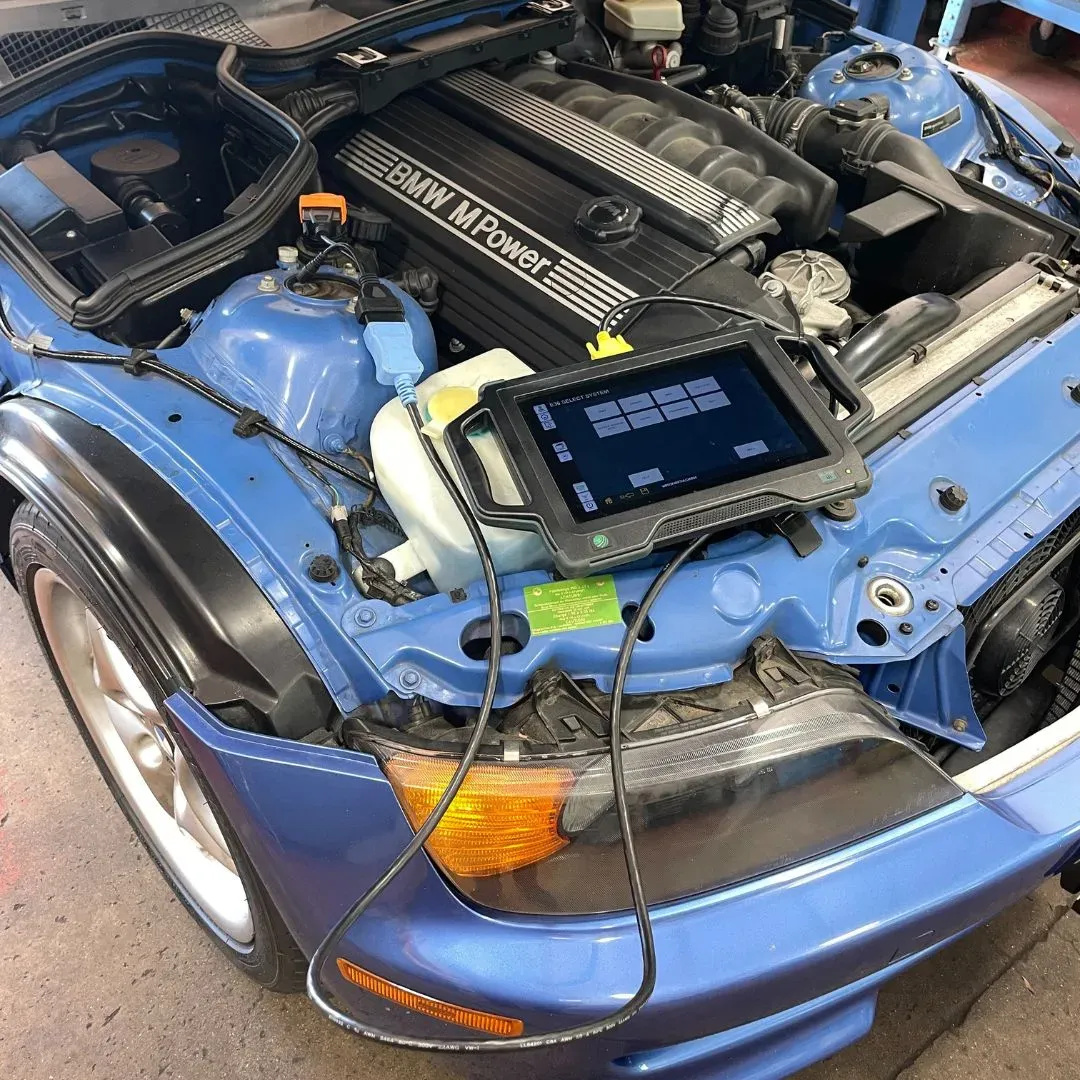
Hot weather and stop-and-go traffic increase thermal load while reducing grille airflow; humidity can further lower cooling performance.
Leaks from hoses, gaskets, or the radiator reduce coolant volume and lead to faster overheating—check for puddles and falling reservoir levels.
A failing water pump stops circulation; listen for unusual noises and inspect for coolant near the pump so you can replace it before extensive damage occurs.
Thermostat faults (sticking closed or erratic behavior) prevent proper flow and show as high or fluctuating temperature readings.
Clogs, leaks, or bent fins impair heat transfer—regular cleaning and inspections keep the radiator working efficiently.
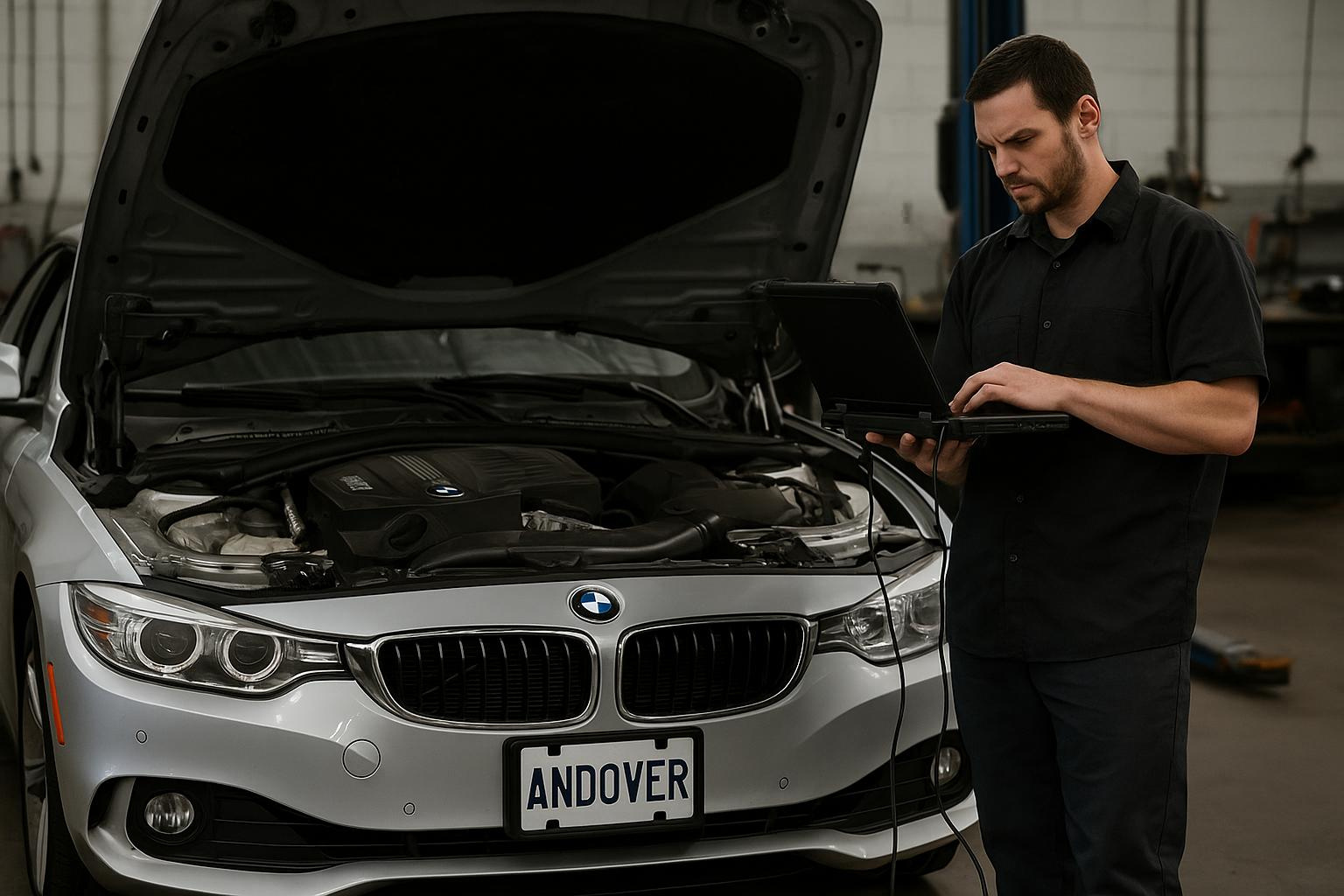
A proactive routine reduces risk: watch coolant levels, inspect hoses, and respond promptly to warning signs.
Keeping to scheduled maintenance helps avoid overheating events. Schneller BMW offers comprehensive services to maintain cooling performance.
Reduced airflow and higher engine load in congested driving make the cooling system work harder; any degraded component can let temperatures climb quickly.
Overheated vehicles may also worsen congestion when they stop on roadways.
Vehicle Overheating in Traffic Congestion
An overheated vehicle may need to stop to allow the engine to cool, which can worsen traffic congestion.
VEHICLE OVERHEATED PREVENTION SYSTEM: COOLING FAN FAILURE ALERT SYSTEM, 2016
Frequent idling and low speeds limit heat dissipation and add load to the cooling system; combined with higher ambient temperatures, this increases overheating risk.
Heat speeds coolant evaporation, stresses hoses and gaskets, and raises baseline engine temperature—inspect components more often in summer.
Fan failure is more noticeable in hot weather; common signs include unusual noises, higher-than-normal engine temperature, and reduced airflow through the radiator.
Listen for grinding or squeaks, watch for temperature spikes, and inspect the fan blades and motor for visible damage.
Early warning signs include gauge fluctuations, visible coolant leaks, and unusual engine or fan noises—address these promptly.
A 54-point inspection checks cooling components, hoses, belts, and related systems to identify wear or leaks before they cause overheating.
Key services include coolant flushes, hose and gasket inspections, and thermostat testing or replacement as needed.
Schneller BMW in North Andover specializes in BMW cooling diagnostics and repairs, offering targeted fixes and clear recommendations to restore reliable cooling performance.
Services include coolant replacement, water pump and thermostat replacement, radiator repair or replacement, and related component services to restore proper coolant flow.
To schedule service, call (978) 465-2002 or visit our contact page. Regular maintenance is the best way to prevent overheating and extend vehicle life.
Pull over safely, turn off the engine, wait until it cools, then check coolant level and for leaks; if unresolved, seek a professional inspection.
Check at least monthly and before long trips or during hot weather; a sudden drop indicates a likely leak that needs attention.
No—fluctuations can indicate thermostat or pump failure; stop driving and have the vehicle inspected to avoid engine damage.
Look for grinding or whining sounds, coolant near the pump, and repeated overheating; replace the pump if symptoms appear.
Maintain coolant levels, inspect hoses for leaks, avoid prolonged idling when possible, and follow recommended inspections, including a 54-point check.
A coolant flush replaces old fluid to remove contaminants and reduce corrosion; follow the owner’s schedule (commonly around 30,000 miles) or manufacturer guidance.
Increase inspection frequency, monitor coolant and hoses, ensure fans and the radiator work properly, and park in shade to reduce thermal stress.
BMW overheating in North Andover is usually preventable with timely inspections, coolant management, and prompt repair of failing components. Regular maintenance and professional diagnostics from Schneller BMW will help protect your vehicle and maintain performance.

Monday – Friday: 9:00 AM – 5:00 PM
Saturday & Sunday: Closed