

By Mike Morris, Schneller BMW & MINI Specialists
Boxford’s spring temperature swings often push BMW tire pressure outside recommended ranges. This article explains how temperature and slow leaks lower pressure, what to check, simple diagnostic steps, and where to get professional help in Boxford.
For reliable BMW service and maintenance in Boxford, schedule an appointment with a certified dealership.
Air expands when warm and contracts when cold. Rapid temperature changes in spring raise or lower cavity pressure, and repeated swings can affect handling and braking. Monitor pressures more frequently during volatile weather.
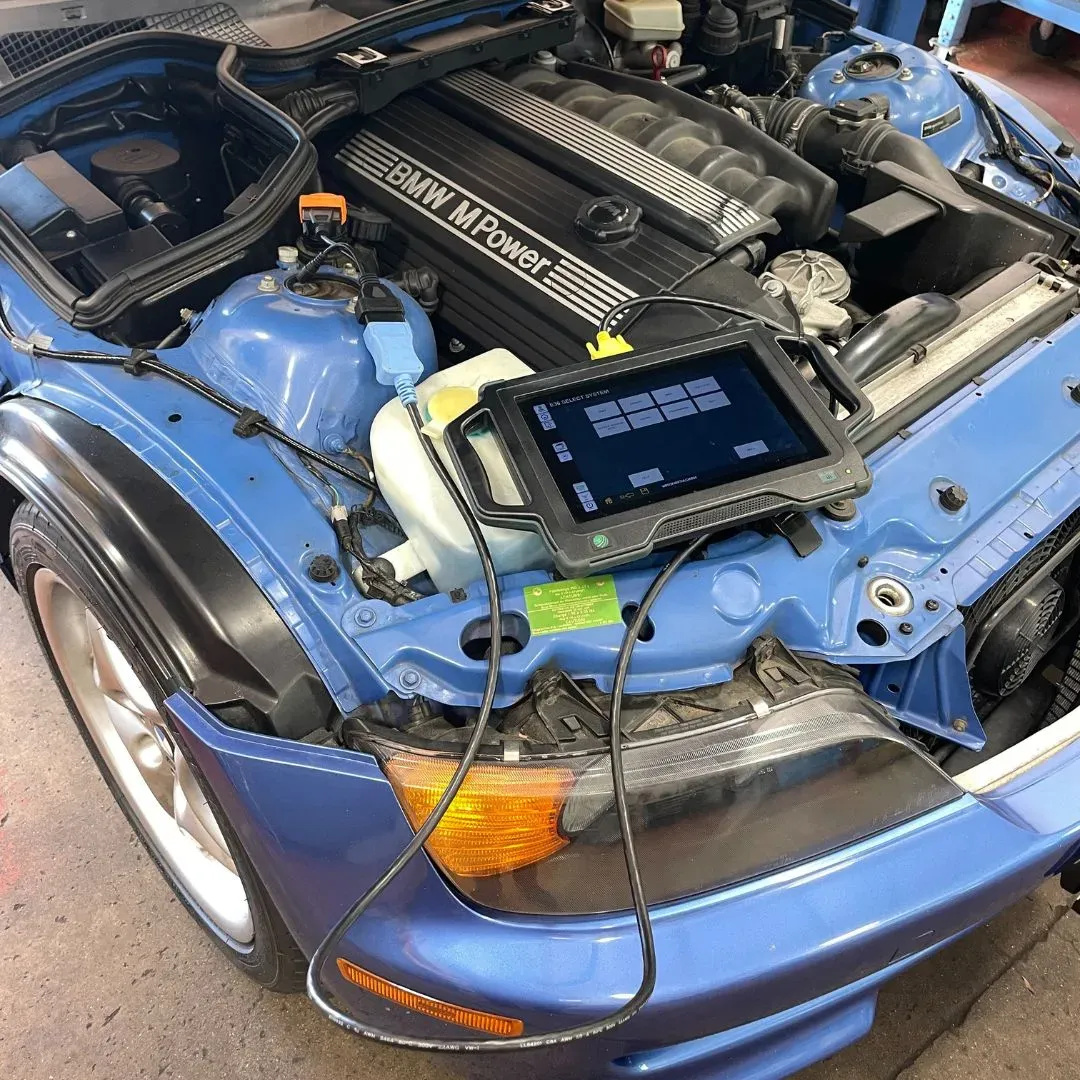
Even modest swings matter: expect roughly 1 PSI change per 10°F. That shift can impact ride feel and fuel economy, so check and adjust pressures when temperatures move noticeably.
Research confirms the link between tire temperature and internal pressure and how fluctuations influence tire performance.
Tire Pressure & Temperature: Impact of Temperature Swings on Cavity Pressure
ABSTRACT: Tire pressure during driving influences rolling resistance, uneven wear, and burst risk. Tire temperature and cavity pressure are closely linked; changes in tire temperature alter cavity pressure. This study evaluates which temperature measurement positions best estimate internal pressure and whether pressure changes are nearly isochoric. Climate wind tunnel and road tests monitored pressure and temperature at the inner liner, the shoulder, and the tread. The measurements show that tires do not have a uniform temperature distribution.
Estimating tire pressure based on different tire temperature measurement points, R Österlöf, 2024
Common signs that weather has reduced tire pressure include:
Spotting these signs early helps prevent further damage and preserves safety.
Slow leaks cause steady pressure loss and may be subtle. Use visual checks, a gauge, and simple leak tests to find issues before they worsen.
Understanding air diffusion and pressure loss rates supports a complete diagnosis and effective repairs.
Tire Pressure Loss Rate & Leak Diagnosis: Understanding Air Diffusion
Tire Inflation Pressure Loss Rate (IPLR) testing evaluates how well a tire retains pressure, which affects fuel economy and premature failures. A finite-element model using mechanical and permeability inputs plus tire geometry was developed to study transient pressure loss. The study proposed an ideal material method to describe the process, examined air diffusion paths to explain bubble locations in immersion tests, and investigated innerliner parameters such as halobutyl content, gauge, and ending length on IPLR through simulation.
Simulating tire inflation pressure loss rate test by the ideal material method, 2019
Typical causes include:
Early detection prevents larger problems and maintains safe driving.
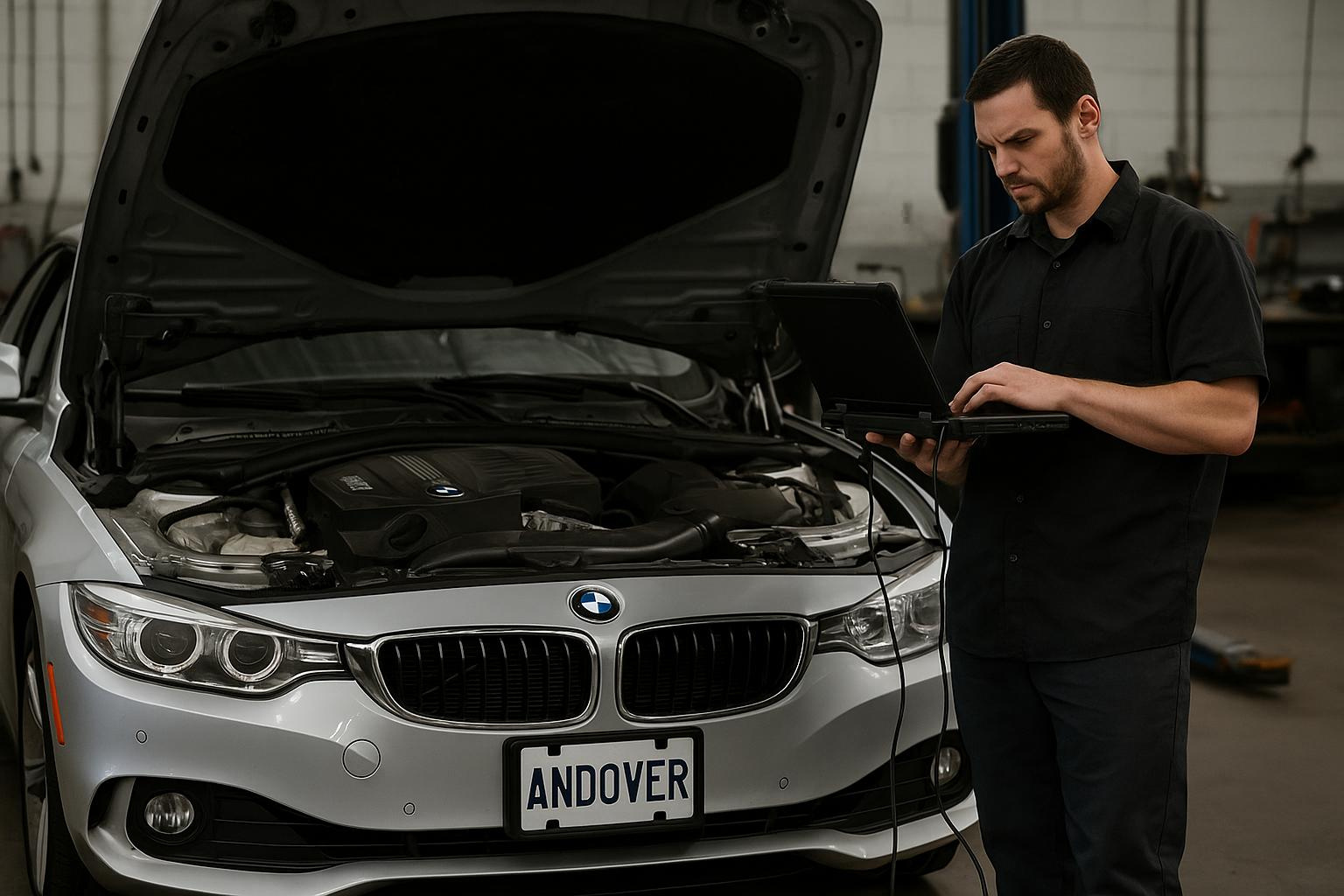
The TPMS monitors each tire and alerts you when pressure drops below preset limits, enabling prompt action to fix leaks and preserve fuel efficiency. Keep sensors serviced for reliable alerts.
TPMS technology is moving toward estimating leak rates and supporting predictive maintenance.
Next-Gen TPMS for Leak Rate Estimation & Predictive Tire Maintenance
ABSTRACT: Next-generation TPMS sensors can estimate leak rates, load, and location to support predictive maintenance. These sensors offer cost- and energy-efficient options for broad deployment. Beyond pressure, the sensors used in this study measure the tire’s centerline footprint length (FPL), adding insight into wear, load, and auto-location. Vehicle and tire data were collected from a hatchback fitted with inner-liner TPMS sensors and analysed to inform vehicle–tire physics models.
Enhancing Tire Predictive Maintenance with Next-Generation TPMS Sensors, 2025
For expert TPMS diagnostics and maintenance, book time with a certified BMW technician.
Proper pressure supports safety, handling, and fuel economy. Use these routine checks to keep your BMW performing to spec:
Check pressure at least once a month and before long trips. Also check whenever temperatures shift significantly.
Reset TPMS after adjusting pressures or replacing tires using the model-specific procedure below.
Refer to your owner’s manual for the exact reset steps for your BMW model.
Regular tire and TPMS service in Boxford keeps your BMW safe and performing. Professional inspections catch small issues before they become costly.
Schneller BMW is a trusted Boxford dealership with BMW-certified technicians who tailor service to local climate conditions and offer convenient scheduling.
Booking at Schneller BMW is simple — schedule online or contact the service centre directly for timely checks during seasonal change.
Confirm all tires are at recommended pressure. If the light remains, a faulty sensor or slow leak may be present — have a technician diagnose and repair it.
Look for bulges, flat spots, pulling, or a rough ride. These indicate low pressure, but use a gauge for an exact reading.
Yes. Heat raises pressure and can lead to over-inflation; check pressures during hot weather and before long trips.
Low pressure reduces traction, increases stopping distance, accelerates uneven wear, and can cause overheating or blowouts. Regular checks reduce these risks.
Under-inflated tires increase rolling resistance and fuel use. Keeping correct pressures helps preserve fuel economy and safety.
Check and adjust pressures to the manufacturer’s specs. If wear continues, have alignment and suspension inspected. For expert help, consider suspension repair services to address handling issues.
Choose tires that meet BMW performance specifications. Consult your owner’s manual and match original equipment ratings.
Temperature swings and slow leaks can shift BMW tire pressure and affect handling and fuel efficiency. Regular checks, prompt leak diagnosis, and certified service — for example at Schneller BMW — keep your car safe and reliable on Boxford roads.

Monday – Friday: 9:00 AM – 5:00 PM
Saturday & Sunday: Closed