

If your BMW or MINI carries a persistent musty scent, you’re not imagining it — that “wet sock” smell most often comes from moisture, trapped debris, and microbial growth inside the HVAC. Below we walk through what causes the odor, how to recognize the warning signs, and practical steps to remove it. We also describe the dependable services Schneller BMW & Mini Specialists use to get drivers in Haverhill and nearby back to clean, comfortable cabin air.
Research supports this: microbial growth in vehicle air-handling systems is a common source of unpleasant cabin odors.
Car Cabin Odors: Microbial Growth & HVAC Hazards
Studies show that enclosed spaces — cars included — often develop foul odors when microbes colonize air-handling components. Growth inside ducts and on HVAC surfaces is frequently the main source of those smells.
Odour and indoor air quality hazards in railway cars: an Australian mixed methods case study, S Chandra, 2024
The short answer: mold and mildew forming wherever moisture collects inside the HVAC. Spring humidity, a clogged cabin filter, or water trapped in the drain pan or lines all raise the chance of microbial growth and the musty odor you notice in the cabin.
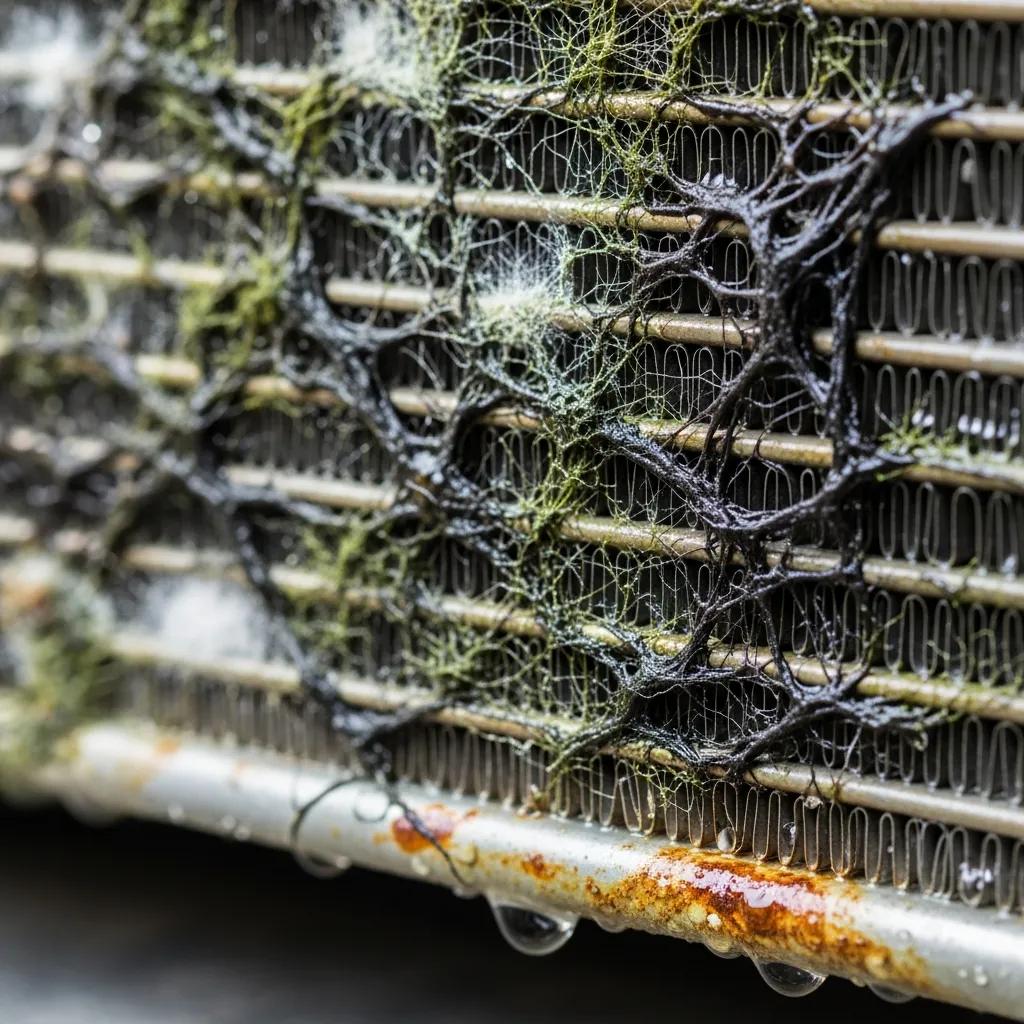
The evaporator coil cools incoming air and naturally produces condensation. If that moisture doesn’t drain or dry properly, a thin film of water can stay on the coil and adjacent fins. Those damp, sheltered surfaces are ideal for mold and mildew — especially during humid spring months — and the colonies produce volatile compounds that create the foul cabin smell.
Further studies link microbial communities on evaporator surfaces to the VOCs responsible for automobile AC malodours.
Automobile AC Malodors: Microbes and VOCs
Research on contaminated evaporators shows distinct microbial communities emit volatile organic compounds — including sulfur- and nitrogen-containing compounds — that people perceive as musty or rotten. Local climate and air quality influence the exact scent profile.
Microbial communities related to volatile organic compound emission in automobile air conditioning units, 2013
If the drain line is blocked or the drain pan is full, water can sit instead of exiting the system. Stagnant water becomes a breeding ground for bacteria and mold, and those microbes release odors the ventilation system then distributes through the cabin. Clearing drain lines during routine service prevents standing water and the smells that follow.
Catch this early — typical signs include a steady musty smell whenever the AC runs, noticeably weaker airflow from vents, or passengers sneezing and reporting eye or throat irritation. Any of those symptoms are a clear cue to inspect the HVAC before the problem gets worse.
If the smell comes back every time you run the AC, or the vents aren’t blowing as strongly as before, the system likely needs attention. Reduced airflow often indicates a clogged cabin filter or a blockage in the ducts that should be addressed along with any odor treatment.
People exposed to mold spores can experience sneezing, coughing, watery eyes, or a scratchy throat. If symptoms improve when you step out of the car or the smell fades, it’s a strong sign the HVAC is circulating contaminated air and needs servicing.
At Schneller BMW & Mini Specialists we pair precise diagnostics with proven cleaning and replacement procedures. Our technicians locate the source, treat contaminated components, and follow up with preventive steps so the smell doesn’t return.
Our diagnostic checklist examines the evaporator coil, AC drain and drain pan, cabin air filter, ductwork, and vent outlets. We use inspection tools and airflow tests to find trapped moisture, blockages, or microbial growth and then recommend the appropriate repair plan.
When required, we access or remove the evaporator, clean the coil and surrounding surfaces with industry-approved agents, and apply disinfection methods to reduce microbial load. Proper drying and functional checks finish the job, restoring performance and removing the odor source so your cabin smells fresh again.
Independent studies support professional AC disinfection as an effective way to reduce microbial contamination in vehicle systems.
Car AC Disinfection: Reducing Microbial Contamination
When automobile AC systems are serviced and disinfected, measured levels of bacteria and fungi fall. Research indicates regular cleaning and disinfection of AC systems lowers microbial contaminants that can affect human health.
Impact of air-conditioning system disinfection on microbial contamination of passenger cars, A Stobnicka-Kupiec, 2019
A clogged or dirty cabin filter traps moisture and debris that feed odors and restrict airflow. Replacing the filter is a simple, high-impact step that improves cabin air quality and lowers the chance of the smell coming back.
We generally recommend changing the cabin air filter every 15,000–20,000 miles or at least once a year. If you drive in dusty, coastal, or humid conditions, change it more often — frequent checks prevent buildup that contributes to odors and reduced HVAC performance.
Activated-charcoal filters capture VOCs, odors, and many airborne pollutants more effectively than standard paper filters. Upgrading to a charcoal-equipped filter helps reduce lingering smells and makes the cabin more comfortable for everyone on board.
Preventing odors comes down to routine care and a few smart habits. Regular checks and seasonal maintenance keep moisture and contaminants from becoming a recurring problem.
To lower the risk of mold in your HVAC, follow these steps:
Spring in Haverhill brings higher humidity, which increases condensation on the evaporator. That extra moisture raises the risk of mold if the system isn’t draining and drying properly — plan seasonal checks and preventative service when humidity rises.
With more than 30 years serving BMW and MINI owners, Schneller BMW brings model-specific expertise and a neighborhood service focus. We diagnose accurately, fix the root cause, and stand behind our work with clear service standards so you can get back to driving in comfort.
Our long history with BMW and MINI vehicles means our technicians know model nuances that affect HVAC access and service. That experience delivers faster, more precise repairs and fewer return visits.
We back our work with warranty-covered repairs and thorough post-service inspections that document system condition. That combination gives customers confidence the problem was resolved correctly and professionally.
Mold in the HVAC can worsen allergies and respiratory conditions. Typical reactions include sneezing, coughing, itchy eyes, and sore throat. For people with asthma or significant sensitivities, exposure can be more serious — addressing HVAC mold quickly reduces those risks.
Signs include weak airflow from the vents, a persistent musty smell when the AC runs, or louder blower noise. If airflow feels reduced or odors persist after running the system, inspect and likely replace the cabin air filter.
You can do light surface cleaning, but deep cleaning and disinfection are best left to trained technicians. Proper service requires access, the right cleaning agents, and attention to electrical and refrigerant components — professionals handle this safely and effectively.
If the smell returns after service, contact the shop for a follow-up. Persistent odors can mean moisture remains, the source wasn’t fully treated, or a filter replacement is needed. A return inspection usually finds and corrects the remaining cause.
We recommend an annual AC check, with more frequent attention if you live in a humid area or use the system heavily. Regular inspections catch early signs of buildup, clogs, or leaks before odors and performance issues appear.
Watch for inconsistent cooling, unusual noises, visible leaks under the car, reduced airflow, and persistent smells. Any of these signs warrant a professional inspection to prevent larger problems.
Musty odors in your BMW or MINI are common — and fixable. With the right diagnosis, targeted cleaning, and routine filter changes, you can keep the cabin smelling fresh and the HVAC running efficiently. Trust Schneller BMW & Mini Specialists for experienced, local service — schedule an appointment and let us restore clean, comfortable air to your drive.

Monday – Friday: 9:00 AM – 5:00 PM
Saturday & Sunday: Closed