

Seeing an oil spot under your BMW or Mini is never pleasant, especially around North Andover. One small drip may be harmless, but an active leak can quickly lead to costly repairs. This guide shows how to spot the difference, outlines the common leak sources for BMW and Mini models, and explains when to bring your car to Schneller BMW & Mini Specialists for professional diagnosis and repair.
Some leaks come from service or repair missteps — which is why correct parts and expert work matter.
Engine Oil Leaks Linked to Maintenance Errors
Work on engines — maintenance, repair or overhaul — can sometimes weaken seals and gaskets and create leaks. That pattern appears across engine types and was noted in a 2019 review by S.D. Garvey.
Start by observing. A single, small dark spot after parking can be a harmless drip. Persistent spots, growing puddles, or repeated marks after every drive mean there’s likely an active leak. Note the color, location and smell of the fluid — those details help you decide whether to drive or get an inspection right away.
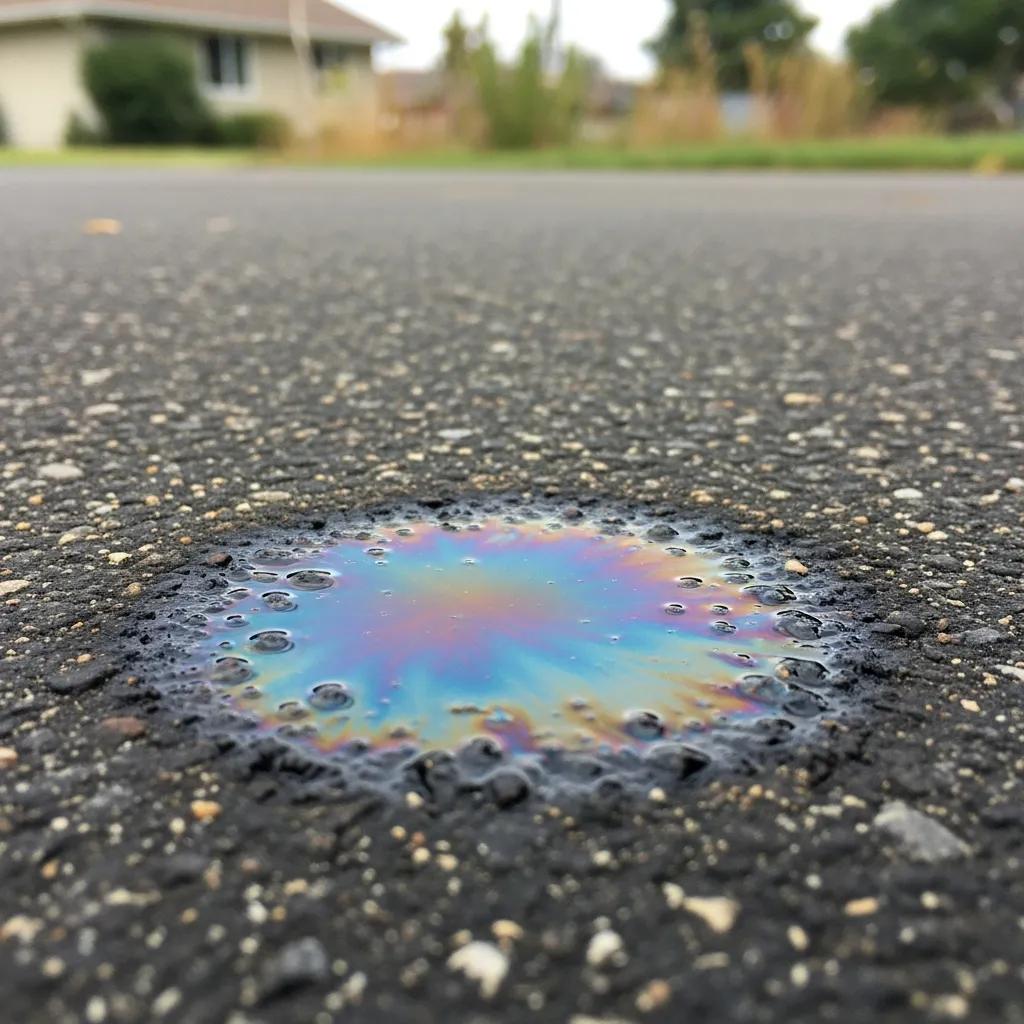
When you check a stain, look for these signs:
Spotting these early helps you avoid a minor repair turning into a major job.
A sharp, burning oil smell while driving or after you park usually means oil is hitting hot engine parts. That’s a clear warning — act quickly.
BMW and Mini engines share a few common leak points. Knowing them makes it easier to spot trouble early:
Finding these issues early saves time and money down the road.
Valve cover gasket failures commonly present as:
These signs rarely stop the car from running immediately, but ignoring them increases oil consumption and risk.
Typical indicators include:
Using the correct replacement gasket for engines like the N52 helps prevent repeat leaks.
BMW Oil Filter Housing Gasket Replacement
Choosing the right-fit gasket — OEM or a trusted equivalent — for N20, N52, N54 and N55 engines helps stop recurring leaks and ensures a proper seal.
Address this promptly to avoid oil loss and secondary damage.
Oil pan gasket leaks are usually more obvious and serious. Watch for:
When oil leaks from the pan gasket, less oil is available to lubricate the engine:
Fixing pan‑gasket leaks quickly is critical to avoid expensive engine repairs.
Visit a shop if you notice:
Delaying repairs raises the risk of costly secondary damage.
At Schneller BMW & Mini Specialists we pair BMW‑specific experience with modern diagnostic tools. Our goal is an accurate diagnosis and a lasting repair — not a quick band‑aid. We locate the leak, replace the correct parts, and test the repair before returning your car.
A proper diagnosis is the foundation of a dependable repair; objective testing makes that possible.
Engine Leak Detection & Diagnosis Methods
Industry surveys show pressure testing, dye inspection and targeted sensor checks are reliable ways to find leaks and confirm repairs.
This systematic approach reduces comebacks and keeps your BMW or Mini running as it should.
Common, effective tools include:
These methods let us find the root cause instead of guessing.
Typical steps:
Time estimate: Most jobs take a few hours; exact time depends on engine layout and condition.
We bring focused BMW & Mini expertise, decades of experience, and a commitment to doing the job right the first time:
Our warranty covers parts and labor for three years or 36,000 miles. That gives you peace of mind — if a repaired component fails within that window, we make it right.
Customers tell us they appreciate clear diagnostics, upfront explanations and repairs that last. We focus on transparency and quality so you leave confident your car is back in top shape.
Try to identify the fluid by color and feel (oil is slick and dark; coolant is thinner and colored). Check the size and location of the spot. If it’s small and isolated, watch it — but if spots appear after every drive, the puddle grows, or you smell burning oil, schedule an inspection right away.
Check for leaks at every oil change and give the underside a quick look after long trips. A monthly visual inspection helps catch slow leaks before they become expensive problems.
Simple gasket replacements can be a DIY job for experienced home mechanics, but many BMW engines need specific tools and torque specs. For most leaks, professional diagnosis and repair ensure the right parts and procedures are used to avoid repeat problems.
Ignoring a leak can cause low oil levels, increased engine wear, overheating and potentially catastrophic engine failure. It can also create safety hazards if oil contacts hot components or the road. Prompt attention prevents escalation.
Follow the manufacturer’s maintenance schedule, use quality parts and oil, and replace worn gaskets and seals before they fail. Keeping the engine clean makes leaks easier to spot early.
A technician will inspect the engine visually, use pressure testing and UV dye as needed, and check oil levels and nearby components. After finding the source, you’ll get a clear estimate and recommended repairs — plus our warranty details if you choose Schneller.
Knowing the difference between a harmless drip and an active leak keeps your BMW or Mini running reliably. Watch for color, location and smell — and when in doubt, have it checked. Schneller BMW & Mini Specialists offers local expertise, correct parts and warranty protection to diagnose and fix leaks right the first time, helping you avoid unnecessary downtime and expense.

Monday – Friday: 9:00 AM – 5:00 PM
Saturday & Sunday: Closed