
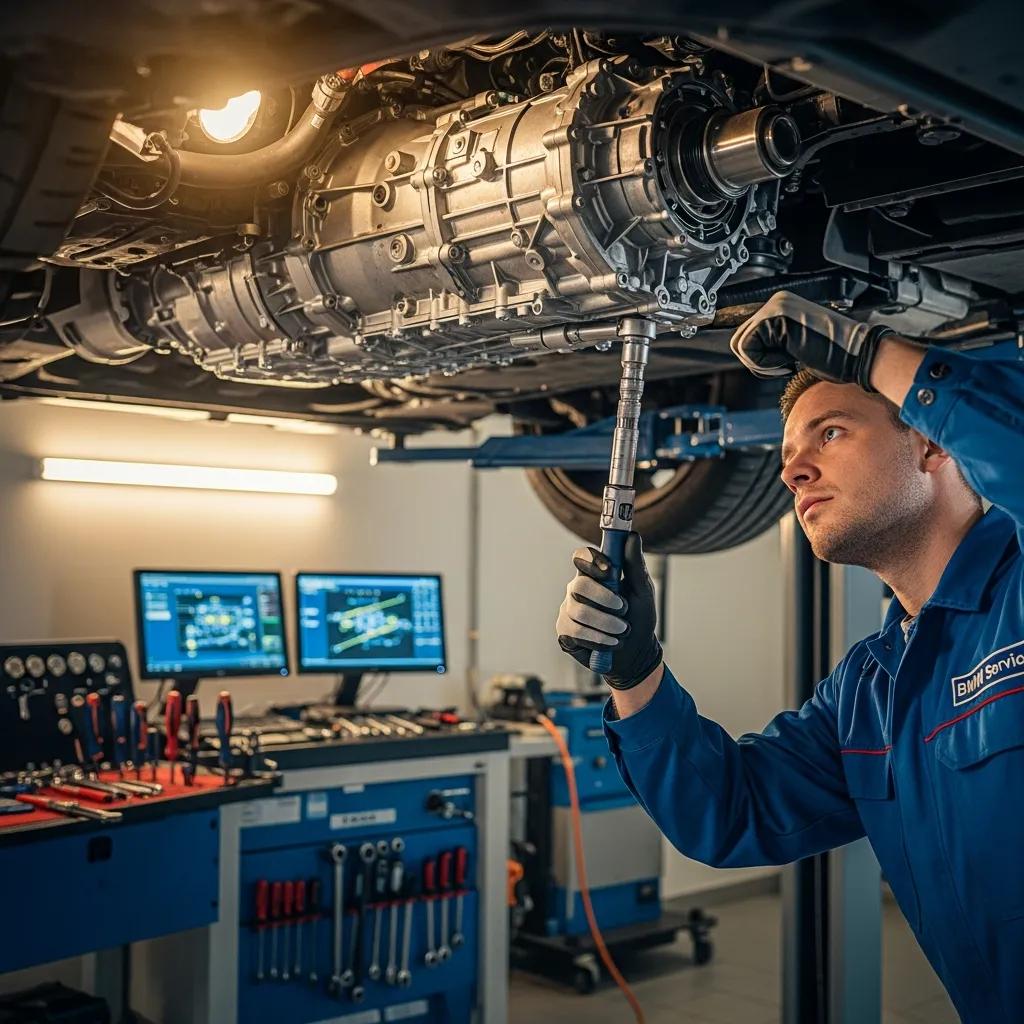
If your BMW or Mini is shifting roughly or pausing between gears, don’t wait — those symptoms commonly signal transmission trouble that needs prompt attention. This guide explains what those issues feel like, the most likely causes, and why a professional diagnosis matters. Catching problems early protects your car, keeps repair costs down, and helps you avoid bigger failures. We’ll walk through symptoms, probable causes, warning signs, preventive maintenance, and what Boxford drivers should know about Mini Cooper transmission concerns.
Hard shifts and hesitation change the way the car responds. Hard shifts are abrupt and can jolt you forward when a gear engages. Hesitation feels like a pause before power returns or before the transmission completes an upshift. Both often come with telltale noises — grinding, clunks, or whining — that point to mechanical or electrical issues. Spotting these signs early usually makes repairs simpler and less expensive.
Watch for sudden, jerky gear changes, delayed or rough engagement, and unusual noises during shifting. You might also notice sluggish acceleration or a feeling that the transmission is “searching” for the right gear. If you see any of these symptoms, schedule a diagnostic check instead of waiting for the problem to get worse.
Hesitation can come from a few common sources. Low or contaminated transmission fluid reduces lubrication and cooling, leading to slipping or delayed engagement. Faulty sensors or electrical issues can send incorrect data to the transmission control unit and cause erratic shifting. Mechanical wear — from solenoids to clutch packs — will also produce hesitation. Repairs can be as simple as a fluid service or may require targeted electronic or mechanical work, depending on the root cause.
From our work with Boxford drivers, the most frequent culprits are low or degraded fluid, sticking or failing solenoids, and faults in the mechatronic unit. Each of these problems affects shift quality and, if left unchecked, shortens transmission life.
Over time, transmission fluid loses additives and can form varnish, sludge, and acids that interfere with hydraulic control and cooling. That raises friction and heat, causing harsh or delayed shifts and accelerating wear. Regular fluid service and inspections are one of the most effective, cost-efficient ways to protect shifting performance and extend transmission life.
Research and lab testing also show how fluid breakdown and contamination shorten a transmission’s usable life and harm shift behavior.
Automatic Transmission Fluid Degradation Effects
Laboratory, chemical and dynamometer testing demonstrates how transmission fluids degrade and how that degradation reduces a transmission’s usable life. Degradation products — acids, sludge, varnish-forming compounds and similar residues — behave like new, harmful components in the fluid and can have a larger negative effect on transmission performance than the original fluid components.
Some Physical Effects of Transmission Fluid Degradation, 1966
Solenoids control hydraulic pressure and gear selection; when they stick or fail, shifts become unpredictable. The mechatronic unit integrates hydraulic control with electronics, so faults there produce similar, sometimes intermittent symptoms. Because these components bridge mechanical and electrical systems, accurate diagnosis is essential to avoid unnecessary parts replacement.
Pay attention to dashboard warning lights, visible fluid leaks, unusual smells, and unfamiliar noises. Those are early indicators that the transmission needs attention. The sooner you act, the more repair options you’ll have and the lower your potential cost.
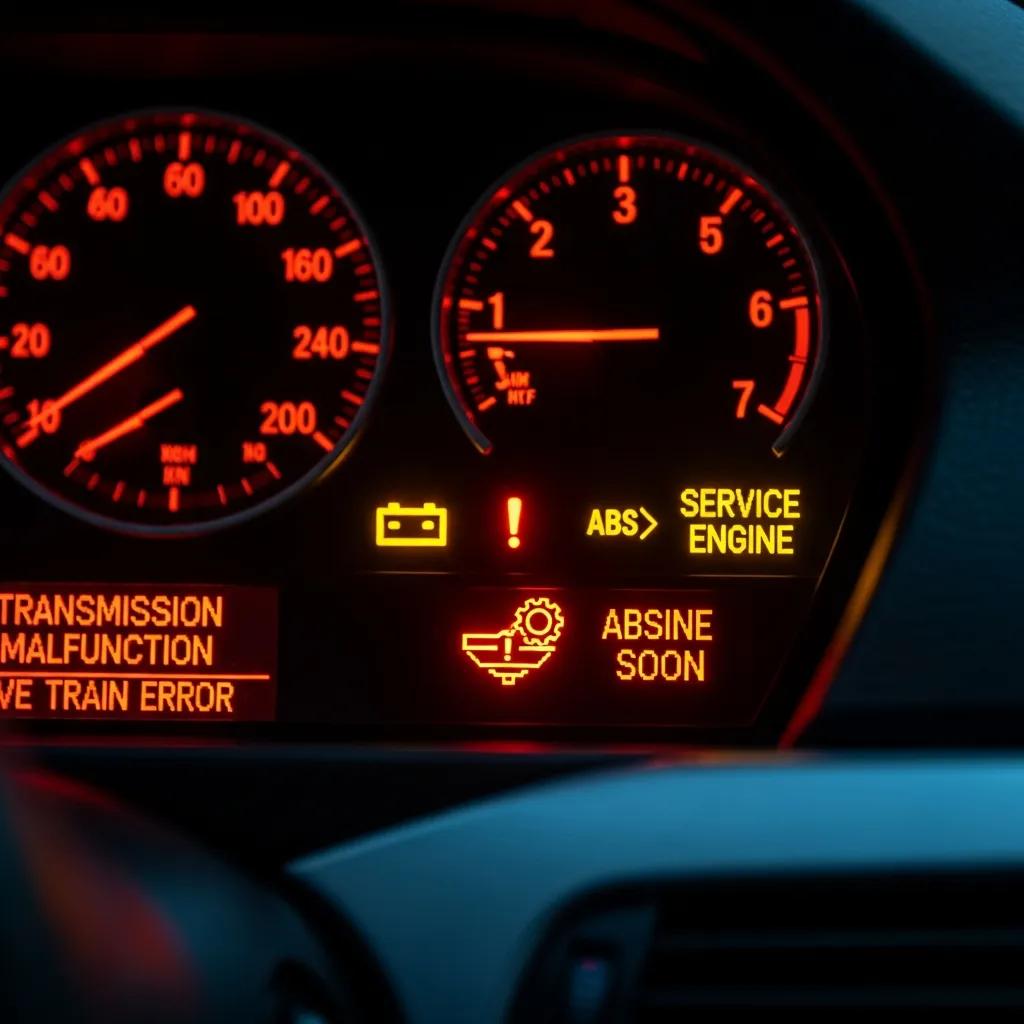
Transmission-related lights — including the check engine lamp or a transmission-temperature alert — indicate the vehicle’s monitoring systems detected a fault or abnormal condition. When a warning light appears, schedule a diagnostic scan so a technician can read stored fault codes and identify the underlying issue.
Look under the car for reddish-brown stains, which usually signal a transmission fluid leak. A sweet or burnt odor points to overheating or degraded fluid. Noises such as clunks, grinding, or whining often indicate mechanical wear. If you notice any of these signs, bring the car in for inspection before the problem progresses.

Modern transmissions are complex systems that mix hydraulics, electronics, and mechanical components. A professional diagnosis using the right tools — BMW-specific code readers, fluid analysis, and road testing — finds the real problem instead of treating symptoms. That saves time and money and helps preserve your vehicle’s long-term value.
We use BMW-specific diagnostic tools, detailed fluid inspections, and targeted electrical tests to pinpoint the issue. Our process includes a visual inspection, fault-code analysis, fluid condition testing, and controlled road testing so we only recommend the repairs your car actually needs — no guesswork.
Independent specialists like Schneller BMW & Mini combine factory-level expertise with personalized service and strong value. We focus on honest recommendations, efficient repairs, and clear explanations so you understand what’s required and why.
Routine care is the best defense against major transmission repairs. Scheduled fluid services, regular inspections and prompt minor repairs all add up to longer transmission life and fewer unexpected failures.
Changing the fluid removes contaminants and restores proper hydraulic performance. A 54-point inspection lets us check related systems — mounts, cooling lines, sensors — so we spot secondary issues before they become primary failures. Together these services reduce the risk of breakdowns and expensive repairs.
Finding problems early — a failing solenoid, low fluid, or an electrical fault — often means repairing or replacing a small component instead of the entire transmission. Timely intervention limits collateral damage and keeps repair bills lower.
Mini transmissions share many symptoms with BMW units but have their own design quirks. Being proactive and bringing your Mini to a specialist familiar with these models will get you the best outcome.
Typical Mini symptoms include slipping, delayed engagement, and unusual noises. Solutions range from fluid service and solenoid replacement to clutch-pack or mechatronic repairs for more advanced wear. A proper diagnosis points to the most cost-effective repair path.
We bring Mini-specific experience and factory-level diagnostic tools to every repair. Whether it’s routine fluid work or a complex rebuild, our team focuses on lasting solutions and clear communication so you know what to expect.
Act promptly. Check your owner’s manual for immediate guidance, then schedule a diagnostic appointment. If the car is losing power, making loud noises, or showing fluid leaks, don’t drive it — have it towed to avoid further damage.
Most BMWs benefit from a transmission fluid service every 30,000–60,000 miles, depending on model and driving conditions. Check your owner’s manual and speak with a specialist about your driving habits to set the best interval for your car.
It’s risky. Short trips may be possible, but continued driving can worsen damage and increase repair costs. Schedule a diagnostic as soon as you notice symptoms and limit driving until the issue is assessed.
Watch for slipping gears, delayed engagement, grinding or whining noises, burning smells, fluid leaks, or warning lights. Any of these are a clear sign to bring your Mini in for inspection.
Keep up with scheduled fluid services and inspections, avoid aggressive driving, and address warning lights or odd noises promptly. Preventive maintenance is the most reliable way to protect your transmission.
A technician will check fluid condition and levels, scan for fault codes, perform a visual and mechanical inspection, and usually do a road or stall test. After identifying the root cause, you’ll receive a clear repair recommendation and a cost estimate.
Hard shifting and hesitation are warning signs you shouldn’t ignore. With timely diagnosis and the right repairs, Boxford drivers can avoid larger problems and keep their BMWs and Minis running smoothly. Contact Schneller BMW & Mini Specialists to schedule a transmission diagnostic and get expert, BMW-focused service you can trust.

Monday – Friday: 9:00 AM – 5:00 PM
Saturday & Sunday: Closed