
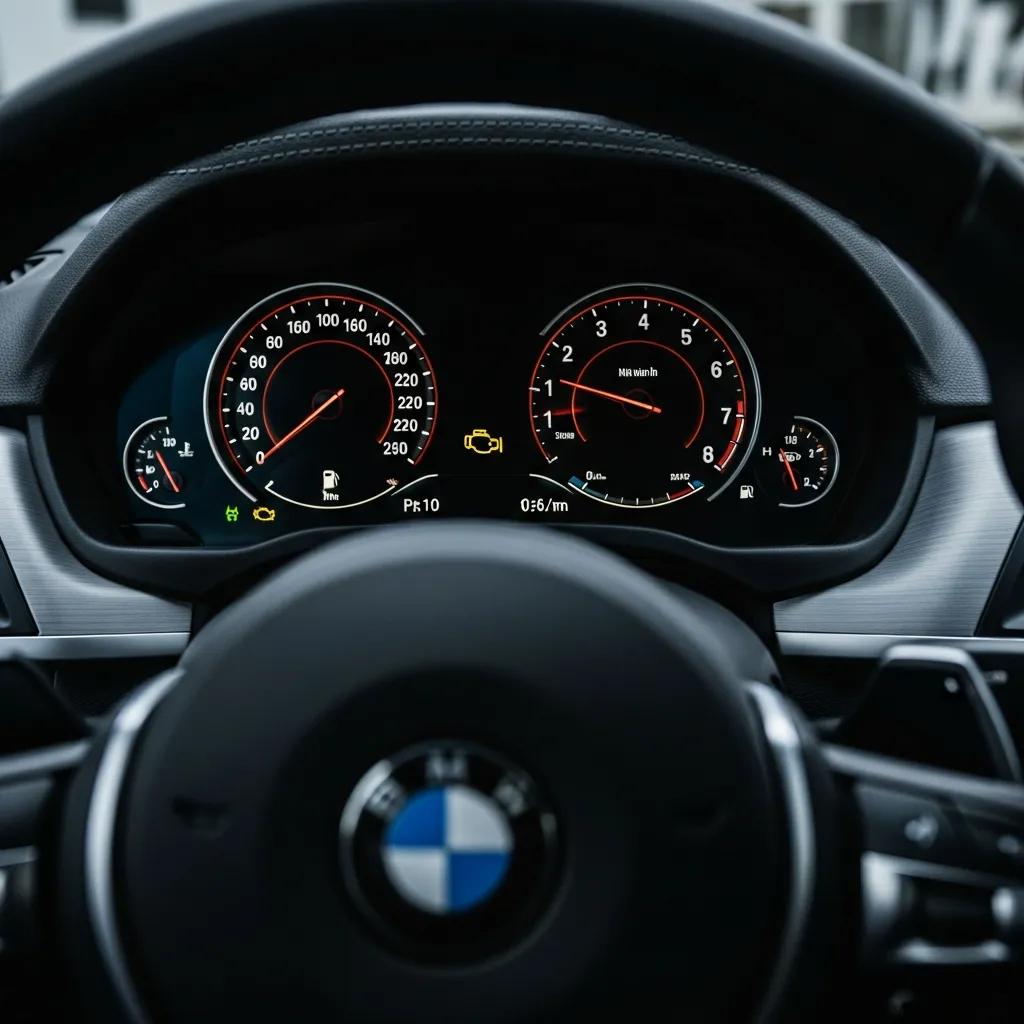
The check engine light (CEL) is often your BMW’s earliest indicator that a system has detected an issue—frequently before you notice any change in how the car drives. It’s common for the light to appear while the vehicle still seems to run normally, which can be confusing. Below we outline the most common causes, the symptoms to watch for, and how our Schneller BMW & Mini Specialists team in Haverhill diagnoses the problem so you can make an informed decision about repairs.
The CEL can illuminate for many reasons, some subtle. Even without obvious drivability problems, the vehicle’s control modules may detect a fault worth investigating. Understanding typical triggers helps speed a correct diagnosis and appropriate repair.
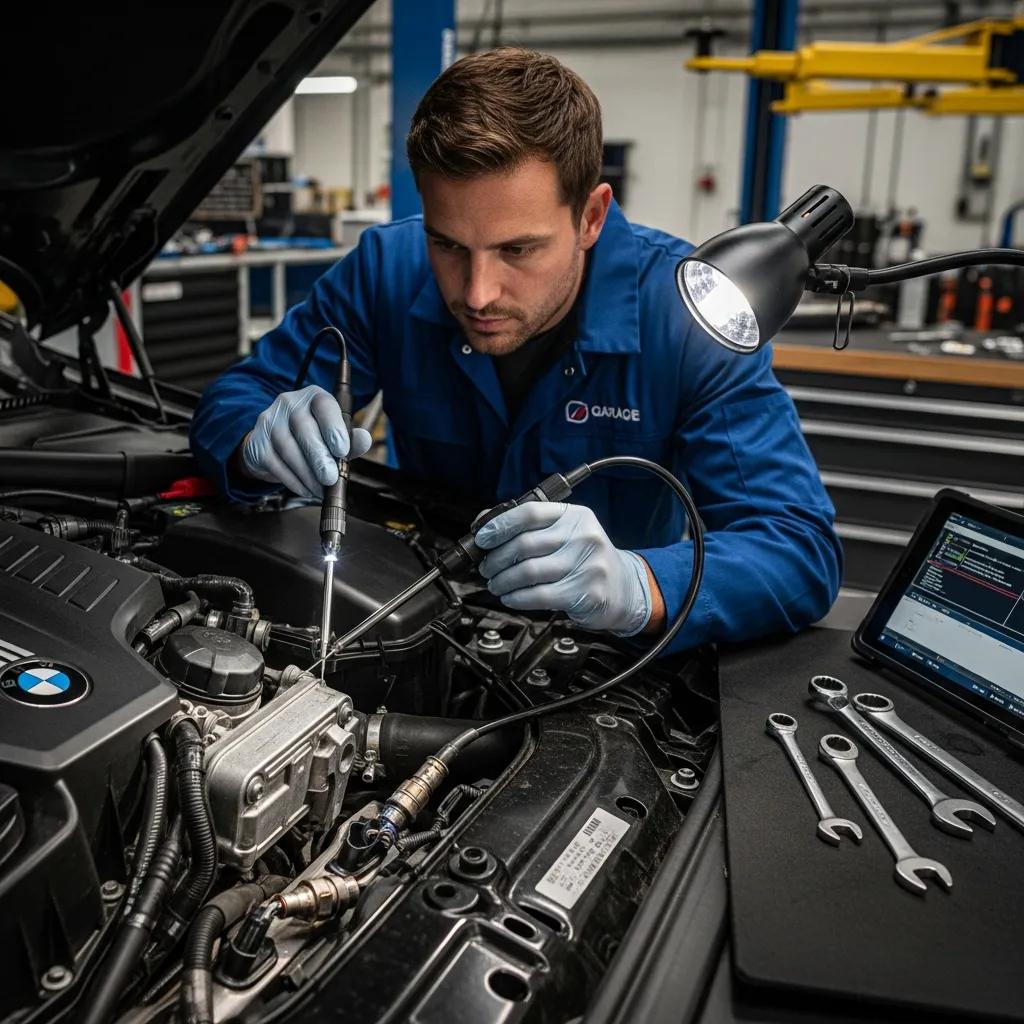
Small or intermittent faults frequently explain why the CEL lights up without a clear change in performance. Examples include marginal sensor failures (oxygen or mass airflow sensors), brief electrical glitches, or evaporative emissions issues. Because these faults can be intermittent, a professional scan and inspection are usually required to pinpoint the root cause before it worsens.
Several common “quiet” problems can set off the CEL while your BMW still drives normally. These typically include:
Spotting these silent causes early lets you fix them before they become more expensive problems.
A loose or damaged gas cap is one of the simplest—and most common—triggers for the CEL. It disrupts fuel-tank pressure and the evaporative emissions system, which the car’s computer will flag. Often the repair is as easy as tightening or replacing the cap.
When an O2 sensor begins to fail it can harm fuel economy and emissions control. Typical signs include:
Replacing a failing oxygen sensor promptly helps preserve performance and prevents damage to the catalytic converter.
The mass air flow (MAF) sensor measures incoming air for proper fuel metering. If it malfunctions you may notice:
Addressing MAF issues early keeps the engine running smoothly and efficiently.
Catalytic converter problems can show several telltale signs:
Leaving catalytic converter faults unaddressed risks more serious engine and emissions-system damage.
Misfires and ignition faults commonly produce CEL codes. Typical causes are worn spark plugs, failing ignition coils, or damaged wiring. Watch for:
Fixing ignition issues quickly prevents catalytic converter damage and restores smooth operation.
Valvetronic controls variable valve lift on many BMW engines. When it malfunctions you may experience:
Because Valvetronic directly affects engine breathing and efficiency, accurate diagnosis is important to protect performance.
A brief look at Valvetronic’s history helps explain why proper function matters for efficiency and drivability.
BMW Valvetronic Engine Technology & CEL Causes
Introduced in 2001, Valvetronic brought fully variable valve lift to BMW production engines. Compared with earlier designs, it reduced fuel consumption by roughly 12% and shaped later SI engine development.
A range of diagnostic trouble codes (DTCs) can accompany the CEL on BMWs and MINIs. Common examples are:
Knowing these codes helps narrow the diagnostic path and speed repairs.
The P0171 code frequently points to fuel‑mixture problems—often a lean condition—which diagnostic testing can confirm.
P0171 Trouble Code: Check Engine Light Diagnosis
A P0171 code indicates the engine control system has detected a lean condition—too much air and/or not enough fuel—on the affected bank. That confirmed condition triggers the check engine light.
Understanding how OBD‑II reads and reports sensor data makes codes like P0171 easier to interpret during a professional diagnosis.
Understanding Automotive OBD‑II Diagnostic Codes
OBD‑II can show Bank 1 running lean (P0171) while Bank 2 reads differently; there’s no one-size-fits-all fix for every code. Accurate diagnosis requires viewing live data, inspecting components, and testing likely causes.
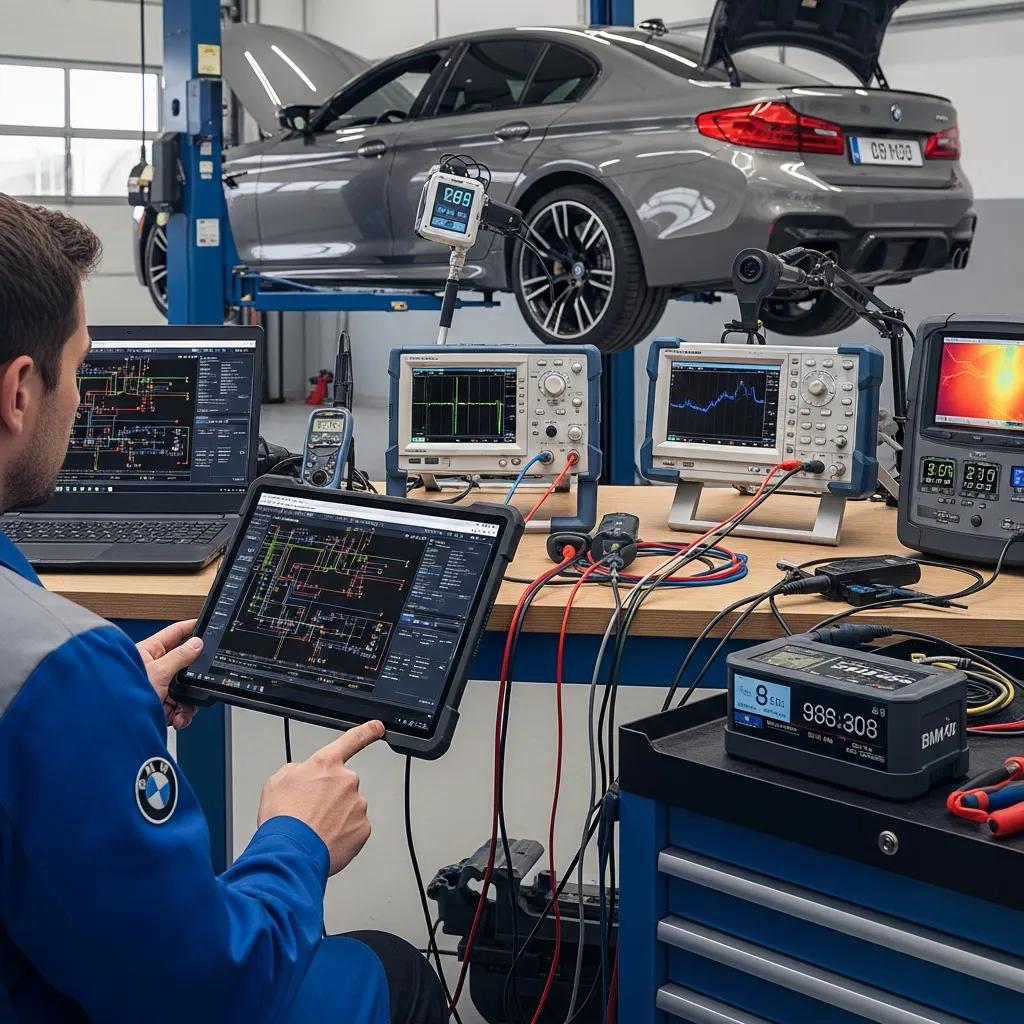
We use factory-level software and advanced scan tools to read live sensor data, pull stored fault codes, and test system performance. That combination lets us distinguish intermittent faults from true component failures and identify simple issues that are inexpensive to fix.
With more than 30 years working on BMWs and MINIs, our technicians bring deep, model-specific knowledge and troubleshooting experience. That translates to faster, more accurate diagnoses and repair recommendations you can trust.
Our diagnostic service includes a thorough 54-point inspection covering key systems such as:
This detailed approach helps us find both the immediate fault and any related issues that could cause recurrent problems.
Delaying a CEL diagnosis can lead to:
Finding issues early often keeps repairs simple and less costly. It preserves fuel economy, protects the catalytic converter, and helps maintain the car’s performance and resale value.
To book a diagnostic appointment, call Schneller BMW & Mini Specialists at (978) 465-2002 . Our service staff will help you find a convenient time and explain the diagnostic process and any fees up front.
During your visit we’ll run a full diagnostic scan, perform the 54-point inspection, and provide a clear written report of findings and recommended repairs. We’ll review options and costs so you can choose the right path forward.
Start with simple checks like ensuring the gas cap is secure. If nothing obvious stands out, bring the car in for a professional diagnostic. The CEL flags a system that needs attention—catching it early avoids bigger problems.
If the CEL is steady and the car runs normally, a short drive to a service center is usually acceptable. If the light is flashing, that signals a serious condition (often a misfire)—stop driving and have the vehicle inspected immediately.
Regular maintenance is key. We recommend a service check at least once a year or every 10,000–15,000 miles, and sooner if a warning light appears or you notice unusual symptoms.
Diagnostic fees vary by provider and the depth of testing, but a typical range is $100–$200. If repairs are required, costs depend on the specific fault, parts, and labor. We provide estimates before any work begins.
You can try simple checks at home—tighten the gas cap and look for visible vacuum or fluid leaks. Many parts stores offer free code scans as a starting point. For accurate diagnosis and safe repairs, a trained technician with proper tools is best.
Ignoring the CEL can lead to worsening engine damage, poorer fuel economy, higher emissions, and costlier repairs. It can also reduce resale value. Addressing the light promptly protects your investment and peace of mind.
The check engine light is a warning worth taking seriously. By understanding common causes and relying on a thorough diagnostic process, you can catch small issues before they become expensive repairs. If your CEL comes on, schedule a diagnostic appointment with Schneller BMW & Mini Specialists—we’ll give you a clear diagnosis and straightforward options to keep your BMW running its best.

Monday – Friday: 9:00 AM – 5:00 PM
Saturday & Sunday: Closed