
A steering wheel that vibrates in your BMW is doing more than annoying you — it’s signaling a problem. Left alone, the underlying causes can affect safety and become more expensive to fix. Below we outline five common vibration patterns you’ll see in BMWs, explain what each pattern usually indicates, and tell you when to bring the car in for a professional check. We cover unbalanced wheels and bent rims, brake rotor problems, worn suspension parts, wheel bearings and CV axles, and steering-component wear. Schneller BMW & Mini Specialists has been diagnosing and repairing BMWs in North Andover for more than 25 years, so we’ll also explain why expert inspection matters.
Vibrations that show up only at highway speeds usually trace back to the wheels and tires. Small weight imbalances or a subtly bent rim that’s invisible at low speed become noticeable as speed rises. Unbalanced wheels and damaged rims are common culprits and, if not corrected, can harm handling and shorten tire life.
Careful vibration measurement and analysis are essential to pinpointing the true source of steering-wheel shake.
Steering Wheel Vibration Causes & Measurement
This study applies vibration measurements to identify root causes of steering-wheel vibration and recommends engineering methods to reduce its severity.
An investigation into steering wheel vibrations and design of solution to minimise the severity, SR Desai, 2021
If weight around a wheel isn’t evenly distributed, the tire assembly will wobble as it spins. That wobble transmits through the suspension into the steering wheel. Missing wheel weights, incorrect mounting, or impact damage from potholes and curbs can all create imbalance. A bent rim increases the wobble and makes the vibration more noticeable at higher speeds. A timely inspection and wheel balancing usually eliminate this type of shake.
Wheel-balance problems most often show as steering-wheel vibration above roughly 50 mph and may produce uneven tire wear over time. If you notice either sign, have a technician check and balance your wheels to avoid accelerated tire or suspension damage.
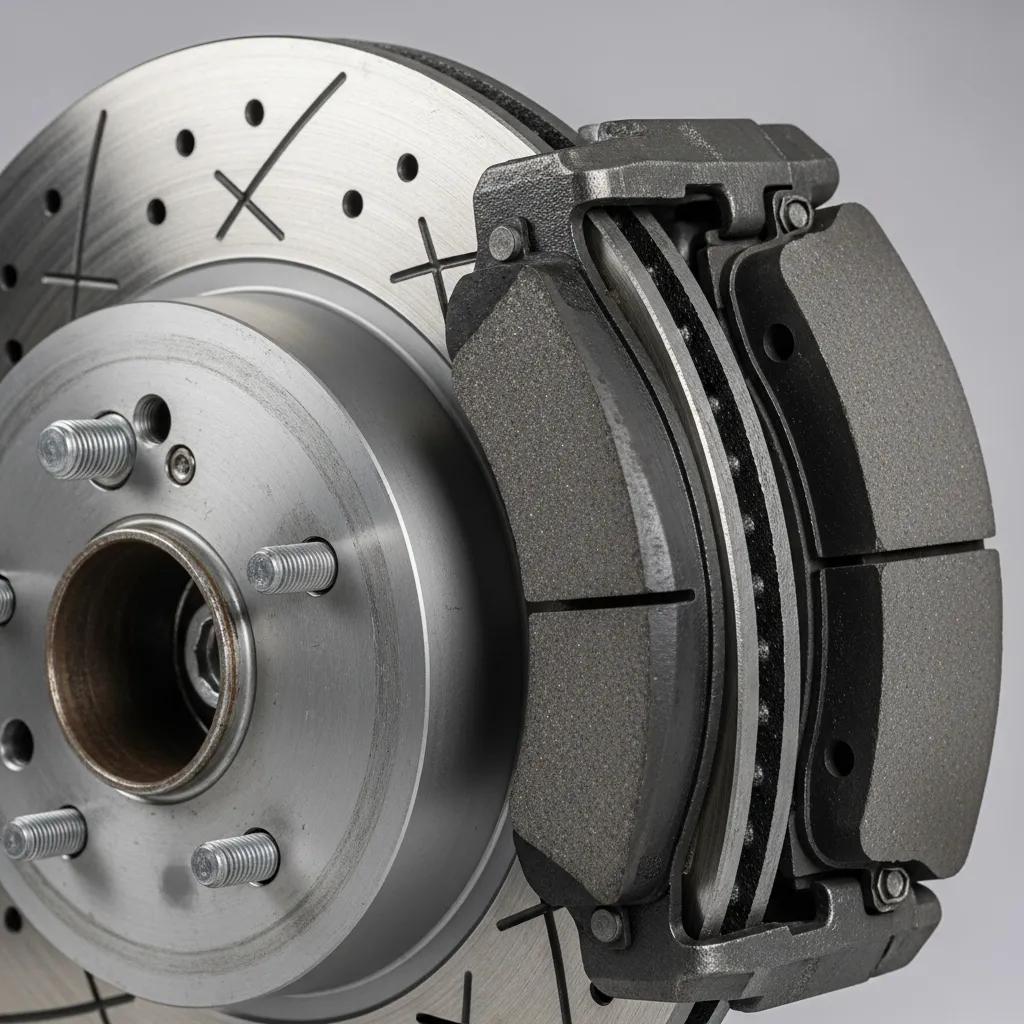
Vibration that appears only during braking generally points to the braking system. The most common causes are warped or uneven rotors and worn brake pads — both change how the brakes contact the wheel and create a pulsing or shaking sensation.

An uneven or warped rotor surface causes the brake pads to grab inconsistently when you apply the brakes. That inconsistency is felt as vibration through the steering wheel and often as a pulsation in the brake pedal. Severely worn pads reduce stopping power and make the vibration worse. Regular brake inspections keep these symptoms from becoming safety issues.
If braking produces a shaking steering wheel, or you hear grinding, squealing, or feel a pulsing pedal, have the brake system checked. A qualified technician will inspect rotors, pads, and calipers and advise whether resurfacing or replacement is needed.
Industry reports analyze how braking, steering, and suspension parts interact and where failures most often occur.
Automotive Braking, Steering, & Suspension Systems Analysis
ABSTRACT: This report reviews key areas of the automotive chassis sector — braking modules and components, suspension and damping systems, and steering assemblies — and highlights how each affects vehicle dynamics and safety. The global chassis sector report: An analysis of the braking, steering and suspension markets, 2015
When suspension components wear, vibration can be continuous or triggered by road imperfections. Parts that control wheel movement and alignment directly affect how smoothly your BMW tracks the road — when they fail, the steering wheel is often where you’ll notice it first.
Control arms mount the wheel assembly to the chassis and allow controlled travel over bumps. Bushings cushion joints — when they break down the suspension gains play and transmits vibration. Tie rods link the steering rack to the wheels; worn tie rods introduce slack and vibration in the steering. Replacing worn suspension parts restores precise handling and reduces shake.
Suspension-related vibration often gets worse over bumps or during cornering and may come with loose or imprecise steering. If the car feels unstable or steering has excess play, have the suspension inspected before additional components wear out.
Technical papers on BMW models describe engineering measures used to control steering vibration and improve stability.
BMW 520 Suspension & Steering Vibration Control
ABSTRACT: This paper outlines the BMW 520’s suspension and steering design, describing front and rear systems, tire adaptability, and measures implemented to minimize steering vibration and ensure reliable handling and maintenance. Suspension and Steering Fundamentals of the BMW 520, 2000
A rumbling or growling noise together with vibration often signals worn wheel bearings or failing CV joints. These components are critical to wheel stability and drivetrain smoothness — faults here need prompt attention.
Bad wheel bearings allow extra play in the hub, producing noise and vibration that change with speed. Worn CV axles can create clunks or shudders under load. Both conditions reduce steering precision and, if ignored, can lead to more serious failures.
Listen for a rumbling sound that grows with speed, feel for vibration through the steering wheel, or notice steering that becomes rough or resistant. A trained technician can separate hub and axle behavior to confirm the diagnosis and recommend replacement parts as needed.
Wear in steering components creates slack and noisy, imprecise steering. The steering rack and tie rod ends are common wear points; when they fail, vibration and a loose steering feel typically follow.
The steering rack converts your input into wheel movement — internal wear creates play and vibration. Worn tie rod ends add free play at the wheel, amplifying steering looseness and producing a shaky wheel. Regular inspections catch these issues early and keep steering predictable.
Watch for changes in steering feedback: more play, vibration at certain speeds, or unusual noises when turning. Early inspection prevents secondary damage and restores safe, accurate steering.
Vibrations can originate from several interacting systems — tires, brakes, suspension, bearings, and steering. Accurate diagnosis separates cause from symptom so you don’t replace parts unnecessarily. That’s where experienced BMW specialists make the difference.
At Schneller BMW & Mini Specialists we combine factory knowledge, targeted diagnostic equipment, and more than two decades of hands-on experience to pinpoint vibration sources. That focused approach gets you the right repair the first time and keeps your BMW performing as it should.
We back our repairs with a 3-year/36K-mile warranty on parts and labor so you can drive with confidence after service. If a covered issue arises after repair, we’ll address it at no extra cost — part of our commitment to quality and customer care in North Andover.
Understanding these common causes helps you act before a small vibration becomes a bigger problem. If you notice any of the symptoms above, schedule a diagnostic check so a technician can identify the precise cause and recommend the correct repair.
Shaking at low speeds often points to tires, wheels, or suspension issues such as misalignment, unbalanced tires, or worn suspension parts. Start with a tire and alignment check; if the vibration persists, bring the car in for a full inspection so we can find the root cause.
Yes. Incorrect tire pressure can cause uneven wear and imbalance, which may lead to vibration. Check tire pressures regularly and correct them before pursuing more extensive diagnostics.
We recommend a thorough steering and suspension inspection at least once a year or every 12,000 miles, whichever comes first. If you feel vibration, hear unusual noises, or notice handling changes, have it inspected sooner.
Ignoring vibration can accelerate tire and suspension wear, reduce braking performance, and compromise handling — increasing the risk of a breakdown or accident. Addressing vibrations early saves money and keeps you safer on the road.
Driving with a shaking steering wheel isn’t recommended. Depending on the cause, it can affect control or cause additional damage. If the vibration is pronounced, limit driving and arrange for a diagnostic appointment promptly.
Technicians use wheel-balancing machines, alignment racks, vibration analyzers, suspension inspection tools, and hub/axle diagnostics to isolate steering and vibration problems. The right tools combined with BMW experience make the diagnosis reliable and efficient.
Steering wheel shake is a clear sign your BMW needs attention. Whether it’s tires, brakes, suspension, bearings, or steering components, recognizing the pattern helps target the right repair. For dependable diagnosis and lasting repairs, contact Schneller BMW & Mini Specialists to schedule an inspection — we’ll get your BMW back to smooth, confident driving.

Monday – Friday: 9:00 AM – 5:00 PM
Saturday & Sunday: Closed