
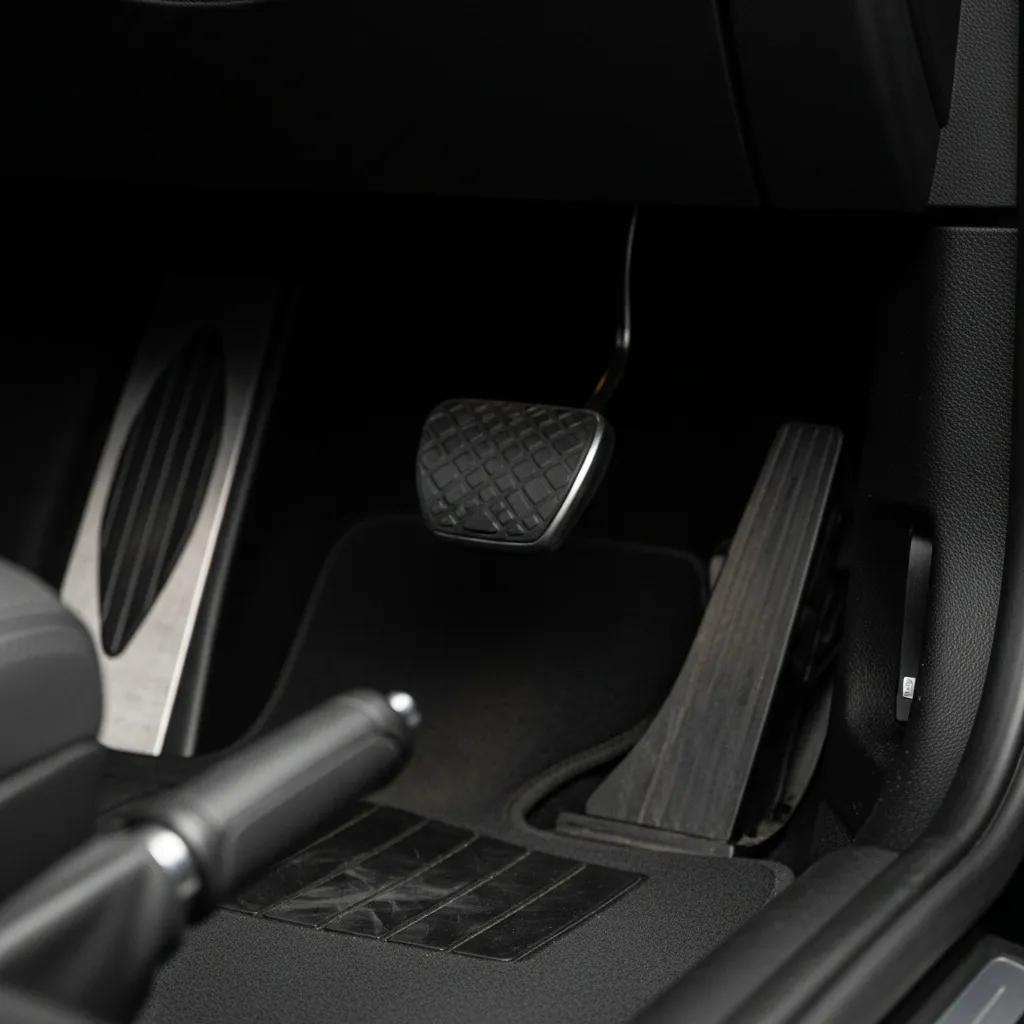
A soft or spongy brake pedal is unnerving — especially in a BMW or MINI. That sensation most often points to a hydraulic issue that can reduce stopping power if it goes unchecked. Below we explain how a healthy pedal should feel, the usual causes of a soft pedal, warning signs of component failure, and why a professional inspection matters. Our aim is to help you catch problems early and keep your car safe on Boxford roads.
On a properly functioning BMW or MINI, the brake pedal feels firm and gives immediate, predictable feedback when you press it. That firmness lets you modulate braking precisely — important for daily driving and emergency stops alike. If the pedal compresses, feels spongy, or delays engagement, it’s a clear sign to have the system checked.
A firm pedal reacts instantly and consistently to your foot. You should sense a direct connection between pedal and brakes with no mushy travel or hesitation. That immediate response is how the car delivers reliable stopping force; anything less suggests air in the lines, leaking fluid, or a component that’s not performing correctly.
A soft pedal is often an early warning of reduced braking performance — and reduced performance raises accident risk. Catching the issue early usually means smaller repairs and safer driving. If you notice a change, schedule an inspection before it becomes a larger safety concern.
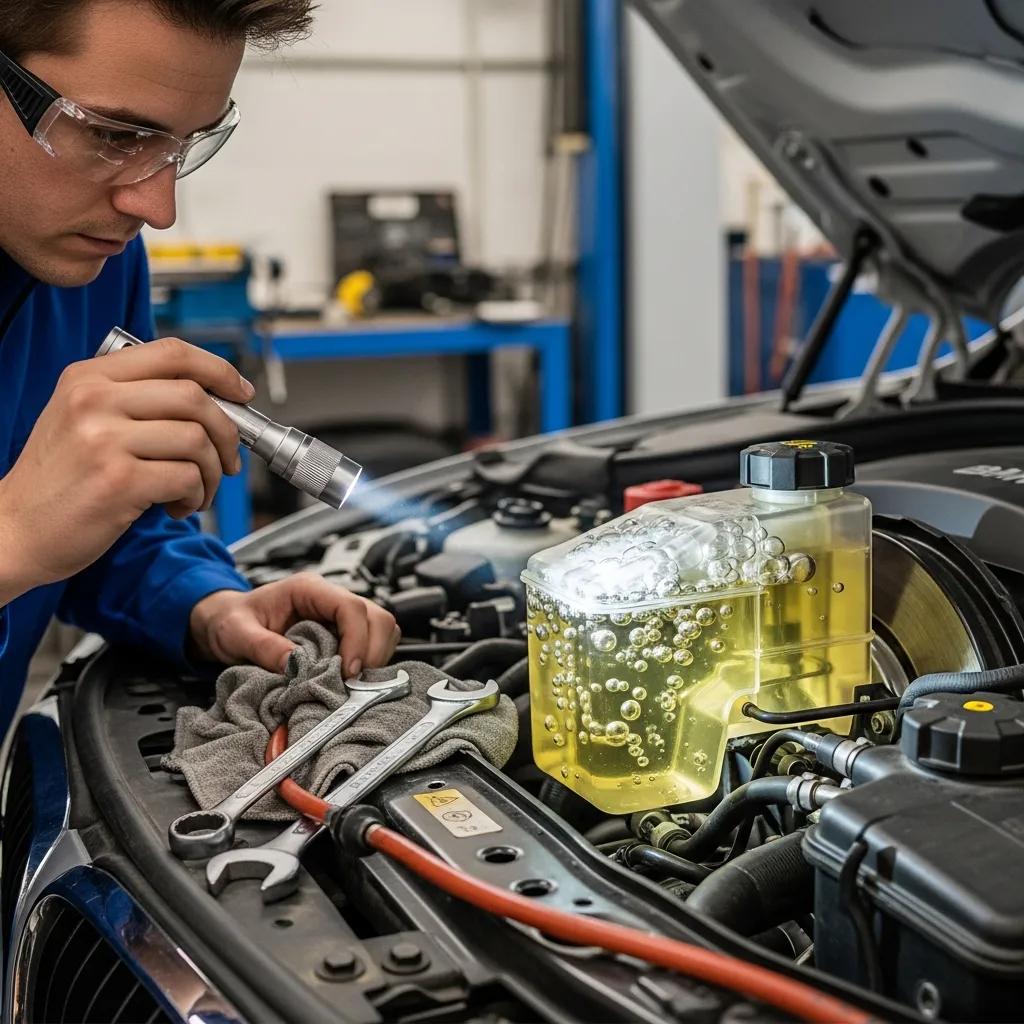
Several issues commonly produce a spongy pedal: air trapped in the brake lines, low or contaminated brake fluid, or failure of hydraulic parts like the master cylinder. Each of these interferes with hydraulic pressure transfer from pedal to calipers and should be addressed promptly to restore full braking performance.
Brake fluid is incompressible while air is not. If air gets into the hydraulic lines it cushions the force you apply, so the pedal feels soft and stopping distances increase. The usual remedy is a proper system bleed to remove trapped air and restore a firm pedal.
Yes. Low fluid lets air into the system; contaminated fluid — often from moisture or debris — reduces hydraulic efficiency and can corrode components. Both conditions change pedal feel and compromise braking. Regular checks and scheduled fluid replacement prevent these problems.
Master cylinder faults and worn brake components show up in predictable ways. Watch for a pedal that sinks when held, visible fluid leaks, reduced braking force, or uneven pedal travel. Spotting these signs early can prevent bigger (and more costly) repairs.
Typical signs include a pedal that progressively softens or sinks toward the floor, unexplained loss of pressure, or fluid leaking near the master cylinder. Those symptoms indicate the unit isn’t holding hydraulic pressure and needs professional diagnosis and likely replacement.
Worn pads and rotors or sticking calipers change how the pedal responds: uneven engagement, vibration, unusual noises, and a less confident pedal feel. These symptoms usually mean parts are past service limits or are binding and should be inspected and replaced as needed.
Certain symptoms mean you should stop driving and get service right away: the brake warning light, loud grinding or squealing, severe vibration through the pedal, or a pedal that feels dangerously soft. Don’t ignore these warnings — prompt attention prevents accidents and further damage.
The brake warning light can indicate low fluid, worn pads, or another system fault that affects pedal performance. When it lights up, arrange a diagnostic check so a technician can identify the cause and restore safe braking.
Grinding, squealing, or clunking usually points to worn pads, scored rotors, or loose hardware. Vibration through the pedal often indicates warped rotors or uneven pad contact. Those sounds and sensations are functional warnings that the braking system needs inspection and likely repair.
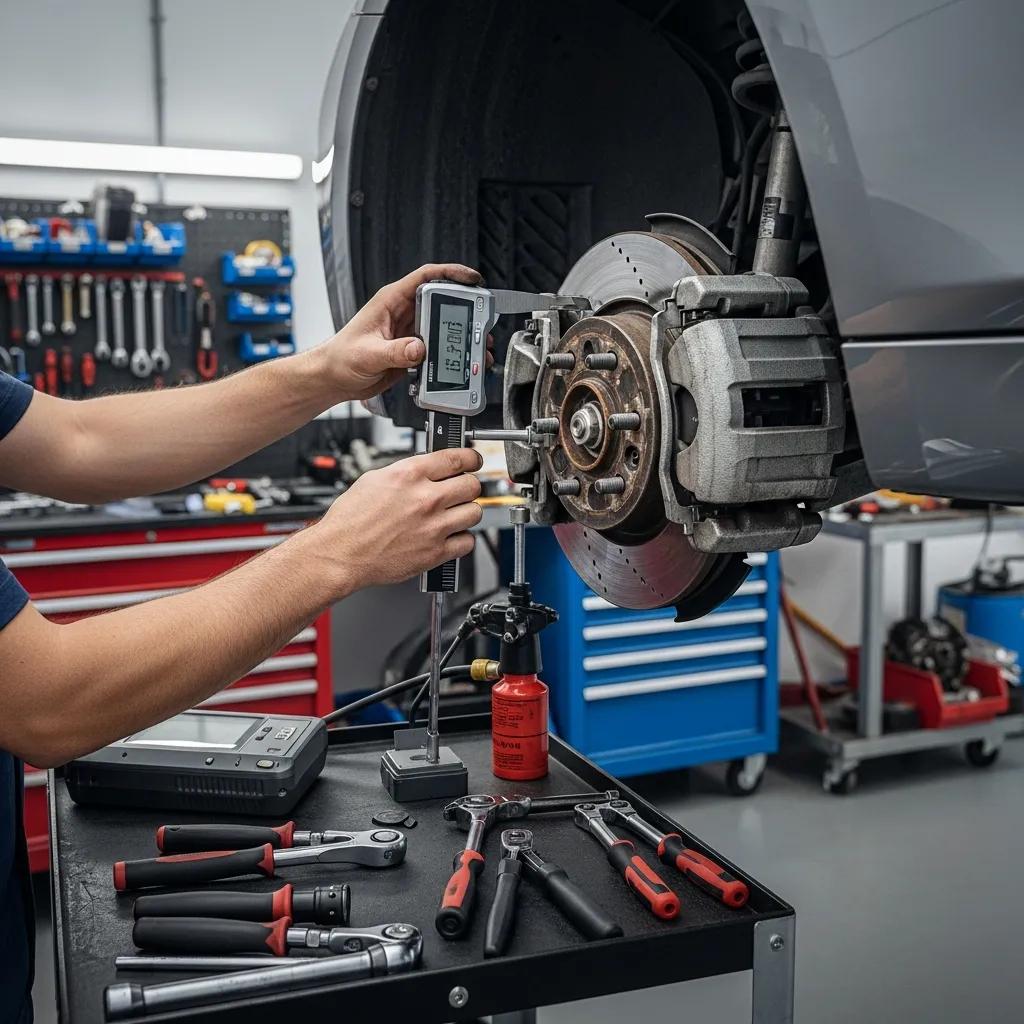
Modern BMW and MINI brake systems are precise. A DIY guess can miss the root cause and leave you with an unsafe car. Our technicians use OEM procedures and specialty tools to diagnose hydraulic, electronic, and mechanical issues accurately — getting you back on the road with confidence.
Technicians rely on pressure gauges, brake fluid testers, OEM scan tools for electronic systems, and hands-on inspections to pinpoint leaks, air in lines, or failing parts. Those tools, paired with experience, let us recommend the right repair instead of a temporary fix.
Schneller BMW & Mini Specialists perform a complete brake-system inspection, fluid analysis, and targeted repairs — from bleeding and fluid replacement to master cylinder, caliper, pad, and rotor service. We follow BMW procedures and use quality parts so pedal feel and stopping power return to factory intent.
Preventive maintenance catches wear and contamination before they affect braking. Scheduled fluid replacement, regular pad and rotor checks, and routine inspections keep the hydraulic system sealed and components working as designed — saving you time and reducing safety risks.
Check brake fluid at least once a year and replace it roughly every two years, or follow the interval in your owner’s manual. Fresh fluid reduces moisture buildup and corrosion, helping the brake system maintain a firm pedal and consistent performance.
Regular inspections let technicians spot worn pads, rotor wear, leaks, or early signs of component failure. Addressing those items during routine service prevents sudden failures and keeps braking predictable and safe.
If the pedal feels soft while driving, find a safe place to pull over and test the pedal. Check the brake fluid reservoir for level and visible leaks. If fluid is low or the pedal remains soft, have the vehicle towed or driven slowly to a qualified shop — avoid driving normally until the issue is diagnosed.
Contaminated brake fluid often looks dark, cloudy, or rusty instead of clear or pale yellow. Performance signs include a spongy pedal or inconsistent braking. A technician can test fluid quality and recommend a flush if contamination or excess moisture is present.
Ignoring a spongy pedal increases stopping distances and the risk of an accident. Underlying issues can worsen quickly and may lead to complete brake failure. Prompt inspection and repair protect you, your passengers, and your vehicle.
Have your brakes inspected at least once a year or whenever you notice changes in feel, noise, or performance. If you drive in heavy traffic, tow frequently, or do a lot of stop-and-go driving, consider more frequent checks.
Yes. Aggressive braking, frequent heavy loads, and long downhill drives accelerate pad and rotor wear and raise operating temperatures, which affects performance. Smoother driving reduces wear and helps brakes last longer.
A technician will check fluid condition and level, inspect pads, rotors, calipers, hoses, and the master cylinder, and use diagnostic tools if the vehicle has electronic brake systems. You’ll receive a clear summary of findings and recommended repairs to restore safe braking.
You can visually check the fluid level, look for visible leaks, and listen for unusual noises while braking. Press the pedal with the car off for a basic feel, but avoid relying on DIY checks alone. For hydraulic or component concerns, a professional inspection is the safest route.
A soft or spongy pedal is a warning — not something to ignore. Knowing common causes and warning signs helps you act quickly and avoid bigger problems. Schedule a brake system evaluation with Schneller BMW & Mini Specialists in Boxford to keep your vehicle stopping exactly as it should.

Monday – Friday: 9:00 AM – 5:00 PM
Saturday & Sunday: Closed