

A BMW that steadily drifts to one side is more than a nuisance — it can signal worn or misaligned parts that affect safety and ride quality. Below we outline the most common causes, from alignment and suspension to tires and brakes, and show how to spot them. Prefer a hands-on check? Schneller BMW & Mini Specialists in Haverhill offers focused diagnostics and repairs to get your BMW tracking straight again.
Vehicle stability and handling come from several interconnected systems — not a single component — so a clear diagnosis looks at the whole car.
Steering, Alignment, Tires & Suspension: How They Shape Handling
Steering parts, wheel alignment, tire condition and suspension components all work together to determine how a car responds on the road. An issue in any one area can noticeably change handling and make the car pull.
Analysis of operating vehicle handling and driving stability impact elements, 2011
A persistent pull usually points to mechanical causes — typical offenders include misaligned wheels, worn suspension components, uneven or incorrect tire pressure, and brake issues. Finding the cause quickly reduces extra wear and keeps your drive safer.
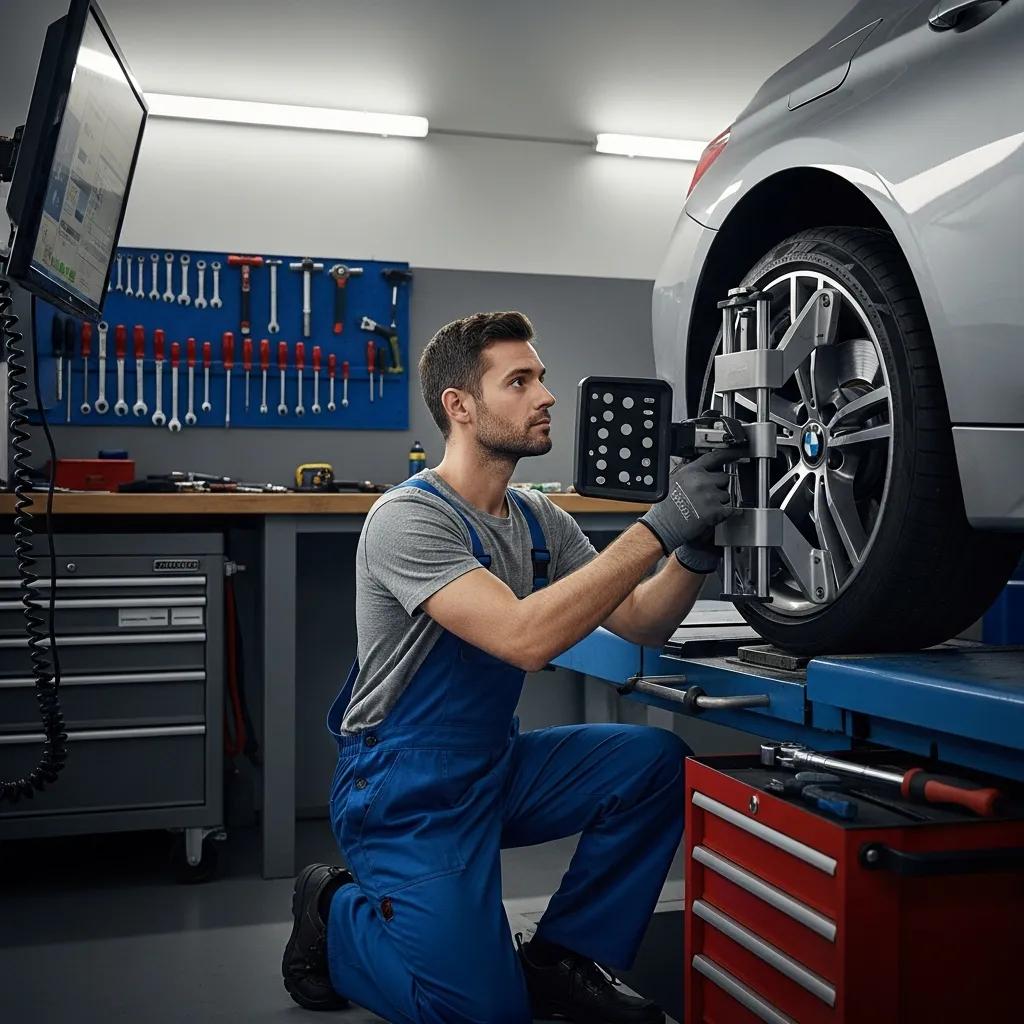
Wheel alignment sets the angles of the wheels so they meet the road correctly. If alignment is off, tires wear unevenly and the car may pull to one side. Watch for a crooked steering wheel, uneven tread wear, or the vehicle drifting at highway speed. Regular alignment checks keep handling precise and extend tire life.
The suspension keeps the wheels planted and aligned under load. Worn control arms, failing tie rods, or collapsed bushings can alter wheel angles and cause pulling. You might notice a harsher ride, more body roll, or irregular tire wear — all signs to have the suspension inspected and repaired.
Tires are your car’s contact with the road. Uneven wear or incorrect pressure can create a steady pull and reduce grip. Regular visual and pressure checks are an easy way to rule tires in or out when diagnosing a drift.
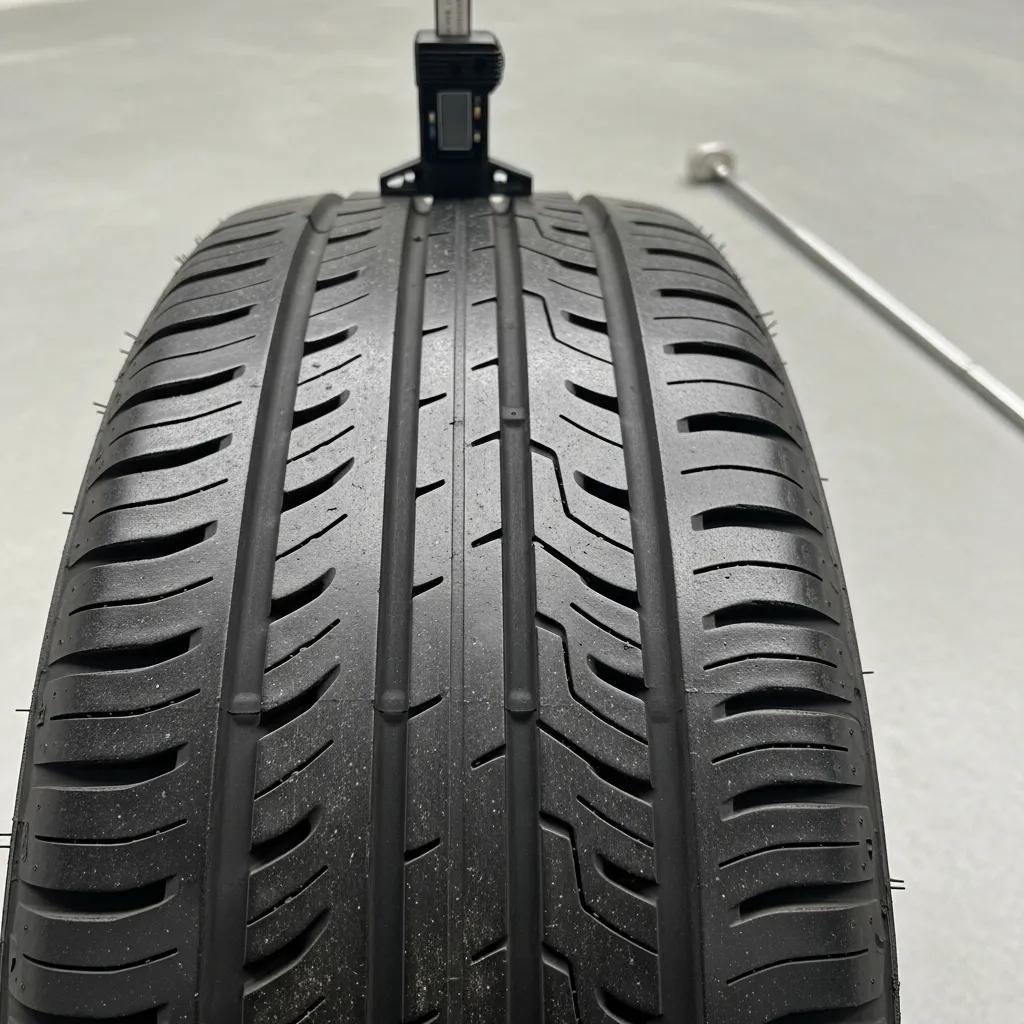
Uneven wear appears as scalloping, cupping, or bald patches. These patterns show the tire isn’t contacting the road evenly, which can pull the car to one side. Measure tread depth and inspect all four tires regularly — if you spot irregular wear, schedule an inspection.
Tire pressure changes rolling resistance and the tire’s contact patch. An under-inflated tire increases drag on that corner and can make the car drift. Over-inflation reduces grip and can change steering feel. Keep your BMW’s pressures at the manufacturer’s specs and check them when temperatures shift.
Yes. Brakes that bind or have uneven pad wear can pull the vehicle to one side, especially when slowing. Brake-related pulls need prompt attention for safety.
If the car veers when you brake or you notice uneven pad or rotor wear, a sticking caliper or uneven hydraulic pressure may be the cause. Those faults create drag on one wheel and should be inspected right away.
Research into brake dynamics shows that caliper drag and unequal corner forces can produce a noticeable steering bias.
Brake Caliper Drag: Why Brakes Can Make a Car Pull
Under load and during cornering the rotor can shift slightly relative to the caliper, allowing the caliper to rub or hold against the pad and create residual drag. That extra force at one corner can cause a vehicle to pull.
Vehicle integration factors affecting brake caliper drag, 2012
A technician will inspect calipers, pads, rotors and the hydraulic system for leaks or uneven pressure. Repairs range from cleaning and lubricating guide pins to replacing stuck calipers, pads or hoses — sometimes a brake fluid flush or pad replacement is enough. Regular brake service prevents these problems from developing.
Not every pull is mechanical. Road crown — the slight slope built into roads for drainage — can make a vehicle drift toward the lower side. Knowing the difference avoids unnecessary repairs.
Road crown is the gentle ridge or slope designed to shed water. At speed it can make a car steer subtly downhill. That pull is normal on crowned roads and usually goes away on flat surfaces.
Drive the car on several different roads. If the pull only happens on crowned routes, it’s likely the road. If it’s consistent everywhere — including flat stretches — you probably have a mechanical issue. When in doubt, bring the car in for a professional check.
At Schneller we run focused diagnostics to find the root cause of a pull — from wheel alignment and tire checks to suspension and brake inspections. Our goal is a clear diagnosis and a durable repair.
The 54-point inspection covers the areas that affect tracking: wheel alignment, suspension components, tire condition, brakes and steering. Each item is checked so we can spot the subtle signs that lead to pulling and recommend the right repairs.
We use modern alignment racks, brake testers and electronic diagnostic tools to measure and pinpoint issues precisely. That allows our technicians to make targeted repairs — faster and with fewer surprises — so your BMW handles the way it should.
This system-level diagnostic approach reflects current research favoring a complete view of vehicle health over isolated checks.
System-Level Diagnostics for Automotive Anomalies
Recent work in diagnostics emphasizes system-level methods to identify anomalous behavior and produce a consistent, global view of vehicle health.
Diagnosis in automotive systems: A survey, PE Lanigan, 2011
Choosing a shop that knows BMWs and MINIs makes a difference. Schneller pairs brand-specific know-how with honest recommendations so your car gets the right fix — not a quick band‑aid.
With more than three decades working on BMWs and MINIs, our technicians recognize common failure points and how to repair them correctly. That experience means faster diagnosis, proper parts and work done to factory-level standards.
We stand behind our work with clear warranty terms and a commitment to quality. That gives you confidence that repairs are completed correctly and that your BMW will perform safely and predictably after service.
Start with a quick check: confirm tire pressures and look for visible uneven tire wear. If those look normal, schedule an alignment and have the suspension and brakes inspected. Early diagnosis prevents extra wear and bigger repairs later.
We recommend an alignment at least once a year or whenever you notice uneven tire wear, a crooked steering wheel, or after hitting a large pothole. Also get an alignment after suspension work to ensure everything tracks correctly.
Yes. Rain, snow and ice reduce traction and change steering feel. Temperature swings also affect tire pressure. Adjust driving to conditions and keep tires inflated to the recommended levels.
Ignoring a pull leads to uneven tire wear, potential suspension damage and higher repair costs over time. Most importantly, it can reduce vehicle control. Addressing the issue early protects safety and saves money.
Drive the car on multiple road types. If the pull is consistent across different surfaces, it’s likely mechanical. If it only happens on crowned roads, the road geometry is probably the cause. Bring the car in if you’re unsure.
Routine brake service finds problems early — worn pads, sticky calipers or fluid issues — and keeps stopping power consistent. That improves safety, prevents damage and usually costs less than repairing neglected components.
A BMW that pulls to one side deserves a methodical check of alignment, suspension, tires and brakes to find the true cause. Schneller BMW & Mini Specialists offers focused diagnostics and repairs so your car drives straight and feels right. Book a diagnostic appointment with us and we’ll get your BMW back to balanced handling.

Monday – Friday: 9:00 AM – 5:00 PM
Saturday & Sunday: Closed