

An overheating BMW is stressful — especially around North Andover, where summer heat and stop-and-go traffic put extra strain on cooling systems. This guide helps you catch the warning signs early so a small issue doesn’t turn into an expensive repair. You’ll find common symptoms, likely causes, immediate steps to take on the road, and preventative maintenance tips to keep your cooling system running properly.
Spotting overheating early protects your engine. Pay attention to abnormal temperature-gauge behavior, visible steam, unusual smells, or new noises. Noticing these signs quickly can save you money, downtime, and the headache of major repairs.
The temperature gauge is your BMW’s first warning. Normal operating temperatures are typically between 195°F and 220°F. If the needle drifts toward the red or jumps around erratically, treat it as an immediate warning — continuing to drive risks serious engine damage.
Steam from under the hood usually means coolant is boiling or escaping. A sweet, chemical odor signals a coolant leak; a burning-oil smell points to heat affecting engine parts. Hissing, knocking, or loud whining can mean trapped pressure or stressed components. When you encounter any of these, stop and assess rather than pressing on.

Most overheating traces back to the cooling system. The usual suspects are coolant leaks, a failed water pump, or a stuck thermostat — each reduces the system’s ability to move heat away from the engine. Finding the source quickly limits damage and repair costs.
When coolant leaves the system, circulation drops and the engine can’t shed heat effectively. Look for puddles under the car, a low reservoir, or frequent top-offs. Even a small, slow leak can let temperatures climb and lead to serious engine damage if left unchecked.
Studies show how fast severe damage can follow a sudden loss of coolant — so address leaks right away.
Automobile Engine Overheating: Causes, Damage, and Coolant Loss
This study models how rapid coolant loss can halt circulation in the cooling loop. When circulation stops, combustion-chamber components can experience severe thermal damage very quickly — in some instances, damage to the cylinder head begins within seconds of cooling failure.
The method of expert assessment of the technical condition of an automobile engine after overheating, ОЕ Хрулєв, 2021
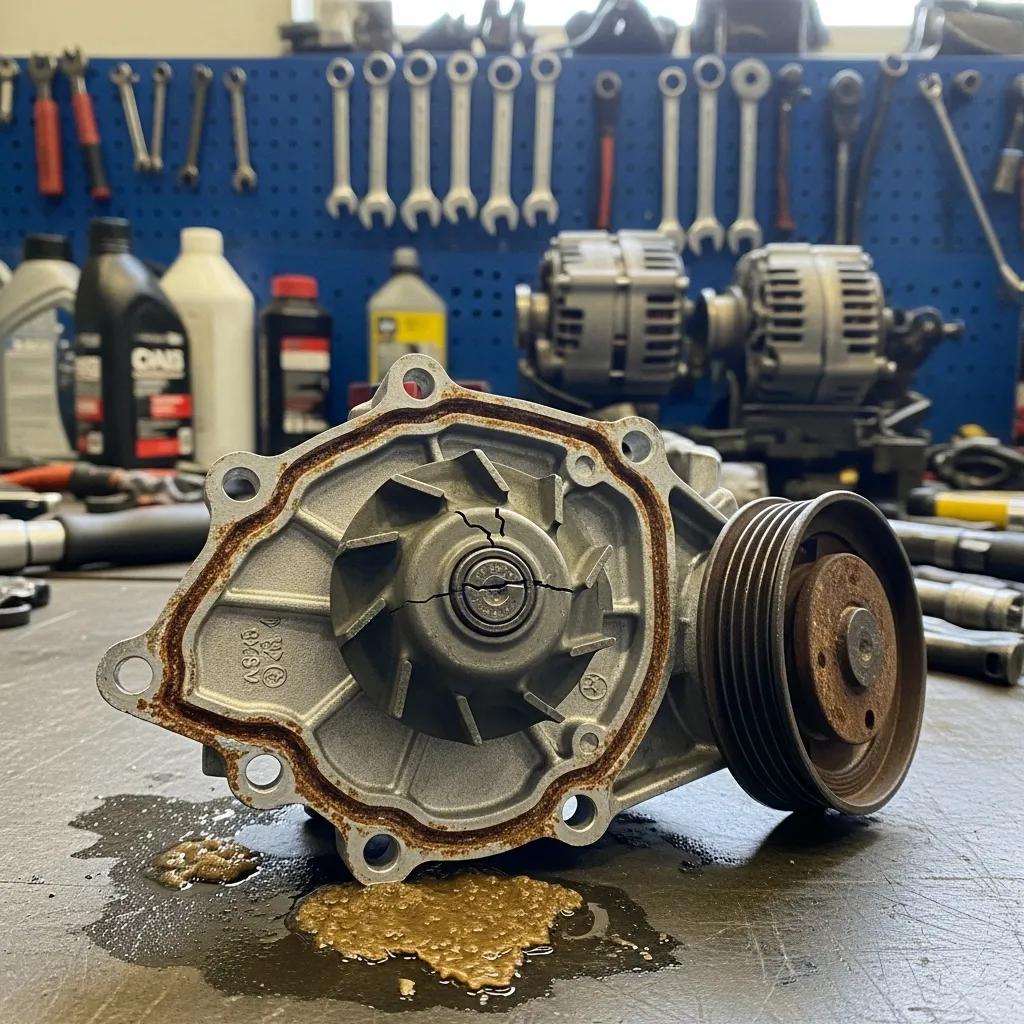
The water pump keeps coolant flowing through the engine. When it fails, flow drops and heat builds fast. Typical signs are a whining or grinding noise, visible coolant near the pump, and repeated overheating. Replace a failing pump promptly to restore circulation and avoid collateral damage.
Thermostat and radiator faults commonly cause overheating. Early detection and the right corrective action preserve cooling performance and prevent more costly repairs down the road.
A thermostat stuck closed blocks coolant from reaching the radiator, causing high temperatures. Watch for temperature swings, slow warm-up, or the gauge bouncing between normal and hot. A thermostat test or replacement will confirm and resolve the issue.
Radiators can clog, leak, or suffer bent fins, and any of these reduce heat transfer. If you see coolant stains, notice uneven hot/cool spots on the radiator, or experience persistent overheating, options include a radiator flush, hose replacement, or full radiator replacement depending on condition.
How you respond when your BMW overheats can prevent further damage and keep you safe.
If the engine overheats while driving, find a safe place to pull over, turn the engine off, and let it cool before opening the hood. Once cool, check the coolant reservoir and look for obvious leaks. If you’re unsure or the issue continues, call for professional roadside assistance rather than attempting risky fixes on the shoulder.
Bring the car to a pro if overheating recurs, if you find persistent leaks, or if the root cause isn’t obvious. A trained technician will pressure-test the cooling system, inspect the water pump, thermostat, hoses, and radiator, and recommend the correct repairs to prevent repeat failures.
When your BMW is overheating, you want technicians who know BMW systems inside and out. Schneller BMW & Mini Specialists pair decades of BMW-specific experience with local service to find the root cause and fix it right the first time.
With more than 30 years serving BMW and Mini owners, Schneller delivers factory-level knowledge with a local touch. We back our repairs with a warranty so you can drive away confident the job was done correctly.
Our 54-point inspection examines the cooling system, hoses, belts, and related components so we can spot worn parts before they fail. That proactive check helps prevent overheating and keeps your vehicle running reliably.
Routine maintenance is your best defense against overheating. Regular inspections and scheduled service catch trouble early and keep the cooling system working as designed.
Check coolant level and hoses periodically and follow your BMW owner’s service schedule. A coolant flush around every 50,000 miles — or per your owner’s manual — removes deposits and helps the system run cooler and cleaner over time.
Planned maintenance and timely repairs are proven to reduce overheating risk and extend the life of the cooling system.
Automobile Engine Cooling System: Fault Detection & Maintenance
This study examines fault detection and maintenance strategies for engine cooling systems, showing how targeted monitoring and timely service help control operating temperatures, reduce coolant loss, and improve overall vehicle reliability.
Fault detection and maintenance of automobile engine cooling system, 2022
Mini Coopers have compact engine bays and unique layouts, so cooling problems can present differently. Common causes include small coolant leaks and thermostat issues. Regular inspections and prompt repairs keep Minis running cool and dependable.
Consistent maintenance and prompt attention to these issues greatly reduce the chance of overheating for both BMW and Mini owners. Knowing the symptoms and acting quickly protects your engine and keeps you safely on the road.
Safely pull over, shut off the engine, and let it cool before opening the hood. After it’s cool, check the coolant reservoir and look for leaks. If you can’t identify the cause or the problem continues, call for professional help to avoid further damage.
Follow your BMW owner’s manual, but a coolant flush about every 50,000 miles is a common recommendation. Regular flushing removes contaminants and helps the cooling system operate efficiently.
Ignoring overheating can cause warped cylinder heads, damaged pistons, and in extreme cases complete engine failure. That leads to costly repairs and reduced vehicle reliability — so address overheating signs promptly.
Yes. Hot, humid weather and heavy traffic make cooling systems work harder and can reveal weak spots. Cold weather can also affect coolant flow. Regular checks and seasonal inspections help your cooling system adapt to local conditions.
Look for coolant leaks, overheating, reduced engine performance, a sweet coolant smell, or steam from the engine bay. Any of these symptoms warrant a radiator inspection to determine if a flush, hose replacement, or full radiator repair is needed.
Common signs of water pump failure include a whining or grinding noise, visible coolant leaks near the pump, and repeated overheating. Address a failing pump quickly to restore proper coolant flow and avoid engine damage.
Regularly check coolant levels, inspect hoses for cracks or leaks, monitor the radiator, and keep up with scheduled maintenance intervals. Proactive care like coolant flushes and system inspections will lower overheating risk.
Early detection is your best protection against overheating. By watching the temperature gauge, noting steam or strange smells, and responding quickly to warning signs, you can avoid costly engine damage. Routine maintenance and professional diagnostics when needed will keep your cooling system in top shape. If you’re facing cooling-system issues, contact the team at Schneller BMW & Mini Specialists for experienced, warranty-backed service.

Monday – Friday: 9:00 AM – 5:00 PM
Saturday & Sunday: Closed