
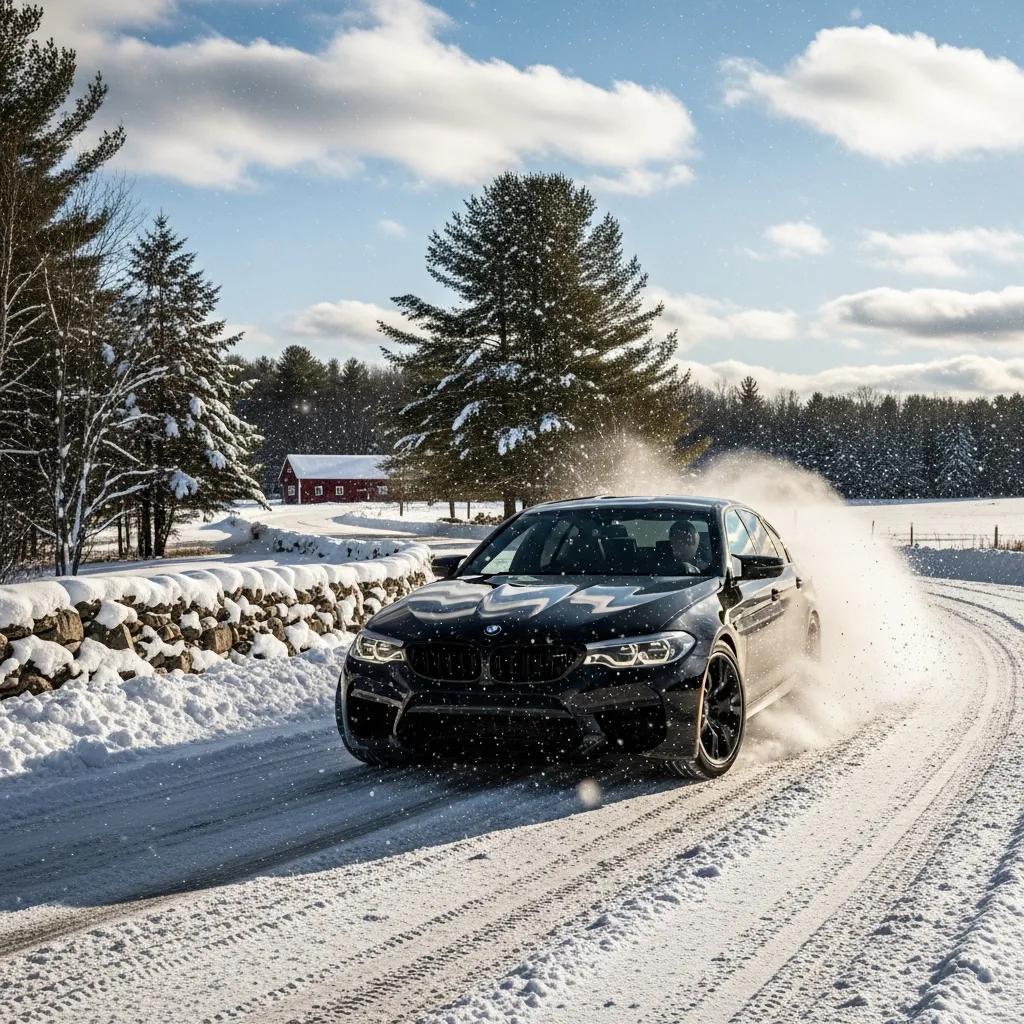
New England winters change the way a BMW behaves. Cold air, snow, ice and road salt all reduce tire grip, sap battery output, thicken fluids and accelerate underbody wear. This guide explains why your car may feel sluggish, loose, or less responsive around Massachusetts and the North Shore, then gives straightforward, practical steps—choose the right tires, care for the battery, service fluids, and adapt how you drive—to restore predictable, confident performance. You’ll learn how winter tire compounds act below about 45°F, why cold reduces a battery’s cold‑cranking amps, which fluids to inspect, and how xDrive and RWD respond differently on ice. We also compare tire choices, match services to common winter risks, and list a compact emergency kit for BMW and Mini owners. Locally, Schneller BMW & Mini Specialists is a family‑run independent shop using factory‑level diagnostics and a 54‑point inspection to prepare your BMW for New England winters.
Winter alters traction, electrical output, fluid flow, braking feel and underbody corrosion. Colder temps and moisture change material and chemical behavior—rubber firms up, batteries lose usable capacity, fluids thicken or pick up water, and salt speeds corrosion. Addressing those issues pays off: winter tires restore traction, battery testing and registration improve start reliability, and fluid and brake service keep stopping power predictable. Those targeted steps—tire selection, battery care, coolant and brake service, and underbody protection—are exactly the services we perform at Schneller BMW & Mini Specialists to keep your car safe through the season.
Those immediate concerns focus attention on the two systems that most influence everyday drivability: tires for traction and batteries for starting power.
Below roughly 45°F tire rubber stiffens and can’t conform to packed snow, ice or rough pavement as well. That shows up as longer stopping distances and reduced lateral grip—especially on the low‑profile, performance tires many BMWs wear. Tread pattern and depth also matter for slush evacuation and bite in packed snow. Switching to a winter‑specific compound restores low‑temperature flexibility and noticeably improves braking and cornering on coastal snow, packed inland roads and black‑ice patches. Understanding how compound, tread and local surface conditions interact helps you decide between dedicated winter tires and a more winter‑capable all‑season.
Compound and tread design are the difference between predictable grip and an unexpected slide on icy surfaces.
Winter Tire Compounds: Optimizing Grip on Ice and Snow
Snow packing and ice traction differ from wet‑road grip; winter tire compounds and tread designs are engineered specifically for those conditions.
Also note: cold air lowers tire pressure. Check pressures frequently during the season to preserve the contact patch and reduce uneven wear—this ties directly into correct winter mounting and balancing.
Cold slows the chemical reactions inside a battery, raising internal resistance and reducing available cold‑cranking amps. Modern BMWs add electrical demand with electronics and heating loads, so a battery that’s fine in mild weather can struggle in subfreezing temps—slow cranks, dimming accessories or intermittent electrical faults are common early warnings. Seasonal battery load testing, and registering new batteries so the car’s charging system knows the battery type, restores reliable starting and charging behavior. Proper registration prevents mischarging and avoids electrical faults that worsen in winter.
Battery testing and registration naturally lead to replacement when needed and a full winter inspection to catch related electrical issues before they strand you.
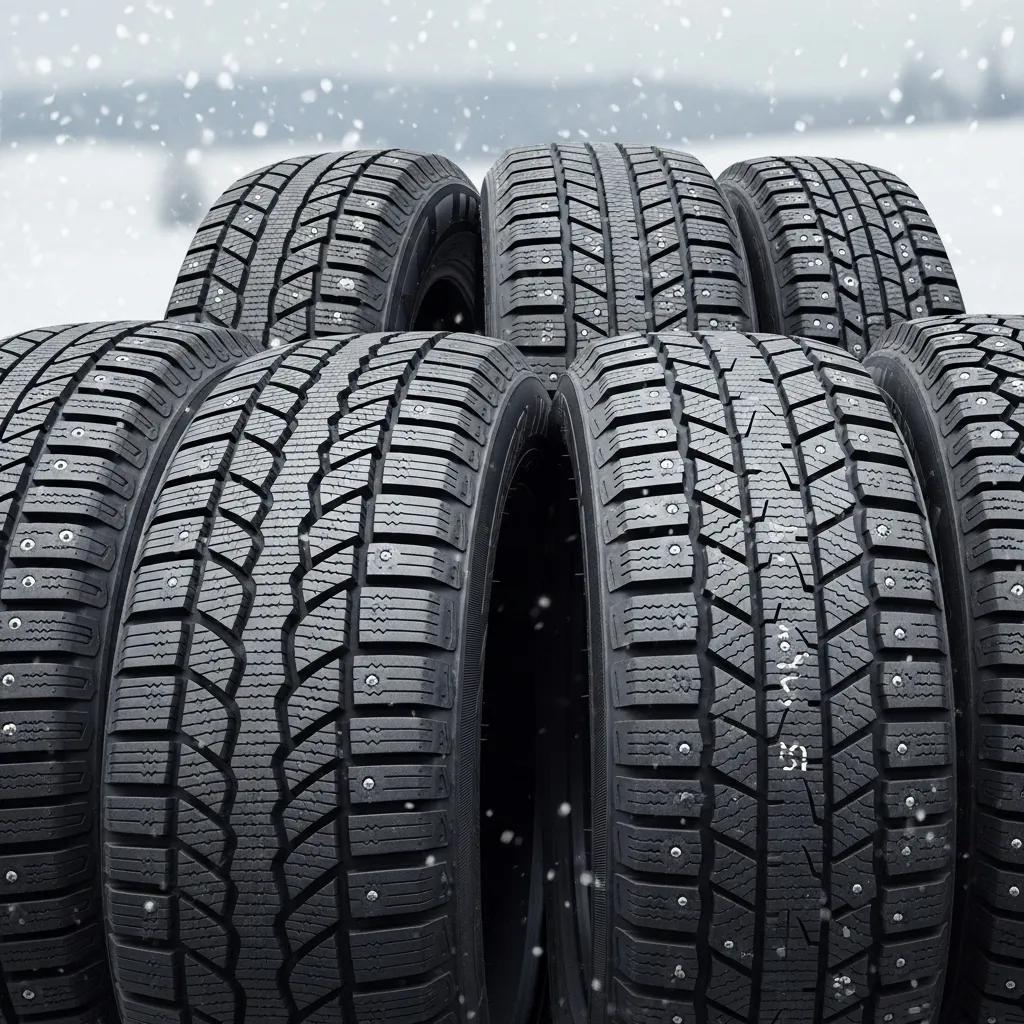
Picking the right tires for New England means matching compound and tread to local snow, ice and freeze–thaw cycles—while accounting for staggered or metric BMW wheel setups. Dedicated winter tires use softer compounds and blocky, directional treads for snow and ice; high‑performance all‑seasons can be an acceptable compromise for light, infrequent snowfall but lose effectiveness once temps stay below ~45°F. For drivers who prioritize safety over max dry‑road grip, non‑studded performance winter tires or studdable options give the most predictable behavior. Proper mounting, balancing and alignment keep steering feel consistent and extend tread life. Professional installation and seasonal storage protect your wheels and make the swap easier next year.
Here’s a concise comparison to help you choose.
For most BMW owners, dedicated winter tires are the safest choice. Next, decide when to mount them and how you’ll care for them through the season.
Quick tire‑care checklist:
These actions lead into timing and storage best practices for winter wheels.
Your choice depends on how often you face winter conditions, what you expect from handling, and your wheel fitment. In frequent or severe winters prioritize safety and predictability—dedicated winter tires win. If snow is occasional and convenience matters, an aggressive all‑season can be acceptable. Owners with staggered setups should consult a BMW specialist for correct sizing and recommended winter rims—incorrect fitment changes traction and drivetrain behavior. After choosing tires, maintain correct pressure, rotate as recommended and run a 4‑wheel alignment to ensure even wear and precise steering.
Next: when to swap tires and how often.
Install winter tires when average daily temperatures stay consistently below about 45°F—typically late October to early November in New England—and remove them in spring, often April depending on the year. Aim for tread deeper than 6/32″ for effective snow traction and watch for uneven wear that indicates alignment issues. Rubber ages too, so check sidewalls and the manufacture date. Professional mounting, balancing and correct lug torque prevent vibration and protect BMW suspension and electronics. Store off‑season wheels in a cool, dry place and re‑balance before remounting to avoid premature wear or handling problems.
Proper seasonal care pairs with professional services—installation, balancing, alignment and storage—from specialists familiar with BMW fitments.
Winter readiness includes correct coolant concentration, proper engine‑oil viscosity for cold starts, low‑freeze washer fluid and low‑moisture brake fluid. Each system carries winter risk: the wrong coolant mix can freeze or speed corrosion; thick oil increases start wear; frozen washer fluid reduces visibility; and moisture in brake fluid lowers boiling point and risks fade. Mapping these systems to specific service actions helps you prioritize pre‑season maintenance and avoid expensive winter failures. The table below summarizes risks and recommended winter actions.
Winter fluid checklist:
These fluid steps lead into more detail on coolant and brake system recommendations to prevent costly winter failures.
Coolant prevents freezing and supplies corrosion inhibitors that protect the aluminum and mixed‑metal components in BMW cooling systems—especially where temperatures cycle between freeze and thaw. Old or incorrect coolant increases the risk of localized freezing, corrosion of heat exchangers, or water‑pump problems. A pressure test and proper flush restore freeze/boil protection and remove contaminants that accelerate wear. Aim for an annual check before winter and consider coastal microclimates where freeze‑thaw cycles are common. Correct coolant service helps prevent head‑gasket issues and keeps temperature regulation working under cold starts and heavy driving.
Next up: brakes and brake‑fluid condition, which determine stopping power in winter.
Brake fluid is hygroscopic and absorbs moisture over time, lowering its boiling point and increasing the risk of fade during repeated stops or emergency braking on slippery roads. Winter service should include pad and rotor inspection for salt corrosion, ABS checks and a brake‑fluid flush when indicated. Replacing old fluid restores predictable pedal feel and reduces the chance of costly emergency repairs. Professional brake service pairs fluid maintenance with hardware checks and corrosion mitigation to keep stopping power reliable in cold, slushy conditions.
These brake procedures set the stage for understanding drivetrain differences—xDrive versus RWD—when surfaces are slick.
xDrive improves traction under acceleration and at low speeds by shifting torque to wheels with grip, but it doesn’t shorten stopping distances or replace winter tires. RWD relies on rear traction and is more prone to oversteer and wheelspin on low‑friction surfaces. The practical takeaway: xDrive gives added confidence for launches and uneven plowed roads, but both systems need the right tires and adjusted driving technique to be safe in New England conditions.
Knowing how RWD and xDrive behave in winter helps you choose tires and refine your driving approach.
BMW Drivetrain Options: RWD vs. xDrive in Winter
Available in rear‑wheel drive (RWD) or xDrive (BMW’s all‑wheel‑drive system); each handles snow and ice differently.
With those limits in mind, here are practical, drivetrain‑specific tips to make winter driving safer.
If you drive an xDrive BMW, use smooth throttle and steering inputs—AWD helps traction on acceleration but won’t shorten braking distances. Leave larger following gaps and moderate your speed on variable roads. Fit winter tires to get the full benefit of xDrive—without them, AWD can mask low grip and create a false sense of security. For hill starts, apply throttle gently and let xDrive distribute torque; keep stability controls enabled unless you’re trained in recovery techniques. Check tire pressures regularly and watch for uneven wear that could indicate alignment or suspension issues affecting AWD balance.
These xDrive tips contrast with what RWD drivers should prioritize: traction management and conservative inputs.
RWD drivers should make winter tires their top priority, then focus on smooth inputs and conservative driving—oversteer is more likely when rear traction is marginal. Adding safe trunk weight can help in some heavy‑load cases but never replaces proper tires. Use gentle throttle modulation to avoid wheelspin, brake smoothly to prevent ABS surprises, and choose lines that avoid packed ruts where possible. Carry traction aids like sand or mats for emergencies and schedule a professional alignment to keep steering predictable with winter tires. If you face frequent heavy snow, consider using an AWD vehicle for winter or mounting a dedicated winter‑wheel setup with correct sizing.
Following these steps leads naturally to preventive services a specialist can perform before storm season.
At Schneller BMW & Mini Specialists we concentrate on winter services that directly address common cold‑weather failures, combining factory‑level diagnostics with hands‑on, enthusiast care. Core services map to winter risks: battery testing, registration and replacement for cold starts; winter tire install, storage and 4-wheel alignment for traction and steering; coolant pressure testing and leak repair to prevent freeze damage; brake inspection and fluid service to maintain stopping power; and a 54‑point inspection to catch undercarriage corrosion and suspension wear before it becomes serious. We back qualifying repairs with a 3‑Year / 36K‑Mile Warranty and include factory‑level software and diagnostics with each visit.
This service‑to‑benefit mapping helps you prioritize winter work; contact details are at the article’s end for booking or questions.
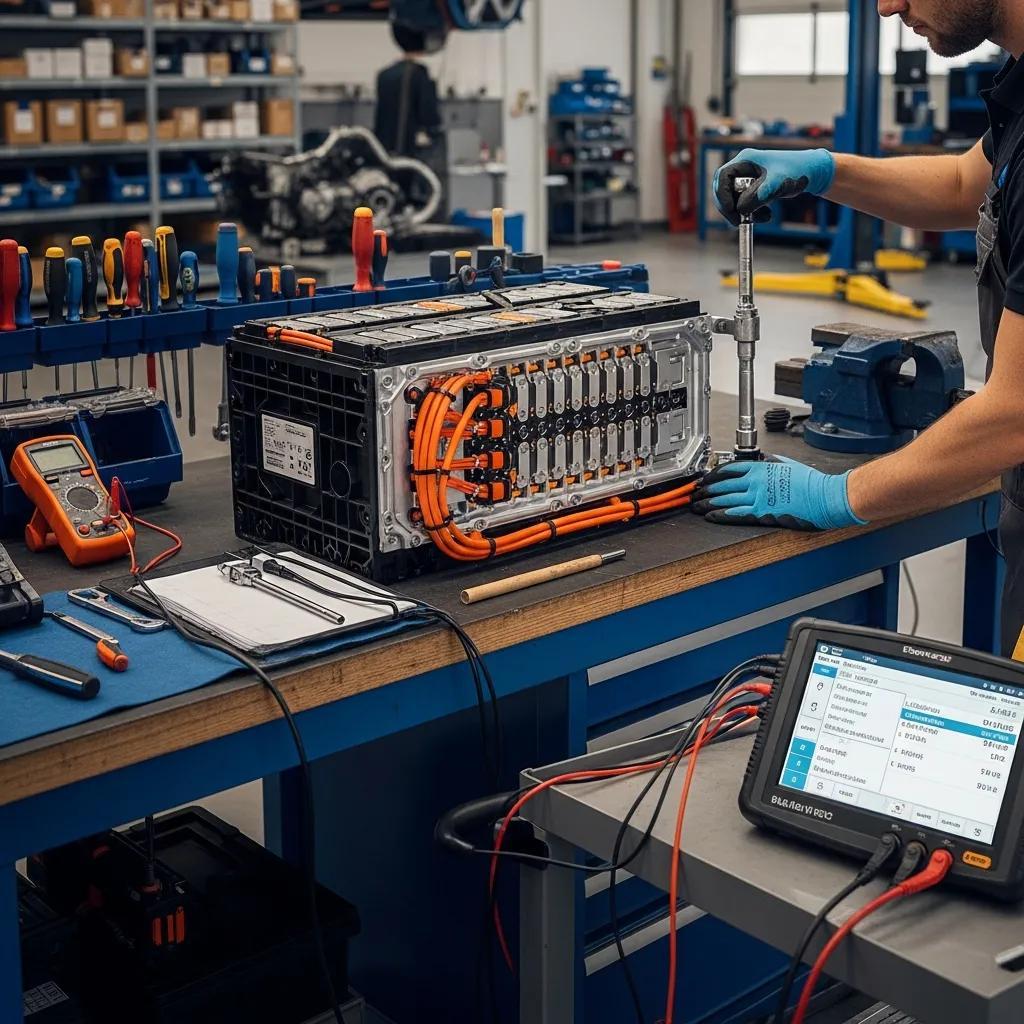
Battery registration updates the vehicle’s battery‑management system with the new battery’s specs so charging profiles and state‑of‑charge calculations stay accurate—important in cold weather when cranking and charging needs change. A correctly registered battery lets the alternator and charging‑control modules apply the proper charge strategy, avoiding over‑ or undercharging that shortens battery life or causes electrical faults. Replacing and registering a battery before deep freezes prevents no‑start events and supports accessory reliability; professional installation also avoids common mistakes like selecting the wrong battery type, which can trigger diagnostic errors. Battery registration pairs well with a 54‑point winter inspection to find related vulnerabilities.
After registration, schedule a full winter inspection to uncover any other issues.
A 54‑point inspection checks battery, coolant, brakes, tires, suspension, undercarriage and electronics to identify corrosion, leaks or worn parts before cold weather turns them into roadside problems. This preventive review lets technicians prioritize and sequence repairs efficiently, reducing downtime and cost compared with reactive fixes. The inspection includes factory‑level diagnostics to catch electrical or software issues that may surface under winter loads and helps ensure repairs integrate with BMW systems while protecting warranty eligibility. Book the inspection before storm season so you can plan tire mounting, battery service and fluid maintenance ahead of the first storm.
Following inspection recommendations keeps your BMW predictable and safe through New England winters.
Adjusting how you drive in snow, ice and on salted roads preserves control and reduces accident risk: slow down, add following distance, use smooth inputs, and avoid sudden lane changes or hard braking when traction is uncertain. Pre‑trip checks—tire pressure, lights, windshield clarity, washer fluid and fuel—reduce avoidable stops in cold weather. Regular underbody rinses and interior cleaning slow salt corrosion. Carry a compact, model‑aware winter kit with traction aids, warm layers and a modern jump‑pack rated safe for automotive electronics.
Essential driving adjustments:
These driving tips pair with a concise checklist of emergency gear for New England winters.
Start with anticipation: scan farther ahead, expect variable traction near bridges or shaded areas, and slow early for turns to avoid abrupt corrections that lead to slides. Brake gently—if ABS engages, keep steady pedal pressure and steer to safety. On slippery hills use a lower gear and measured throttle to hold momentum without wheelspin. Keep electronic stability aids enabled unless you’re trained in recovery techniques—these systems help, but they don’t replace winter tires. Practicing these adjustments reduces surprise skids and keeps both you and the car safer during New England winters.
Pair these behaviors with the right emergency gear listed next.
Build a compact, model‑aware winter kit that covers extraction, warmth and electrical recovery for modern BMWs: a small shovel, traction mats or bagged sand, a jump‑start pack rated safe for automotive electronics, warm blankets and a certified BMW tow eye. Stow model‑specific items securely to avoid trim damage and rattles. Add a phone charger, flashlight and basic first‑aid supplies; for longer trips include extra warm clothing and a legal portable fuel container. Inspect and refresh your kit each season so batteries and consumables are ready when needed.
Those preparations round out the practical steps and services that help BMW and Mini owners stay safe and maintain performance through New England winters.
To schedule winter service, battery registration, tire mounting or a 54‑point inspection with factory‑level diagnostics and a 3‑Year / 36K‑Mile Warranty on qualifying repairs, call (978) 465-2002 to schedule your winter readiness check.
Common warning signs include slow or difficult starts, dimming lights, dashboard warnings, reduced traction or longer stopping distances, and unusual brake noises. Regular checks of tire pressure, fluids and battery health will catch many problems early—if you notice any of these symptoms, schedule a winter readiness inspection with a qualified specialist.
Start with winter tires suited to cold temperatures and snow. Keep tire pressure correct, test and register the battery, and service coolant, brake fluid and engine oil to winter‑appropriate specifications. Finally, assemble a winter emergency kit and consider professional installation, alignment and storage for seasonal wheels.
Pack a small shovel, traction mats or sand, a safe jump starter, warm blankets, a flashlight and a phone charger. Add a first‑aid kit and basic tools. Include a certified tow eye that fits your BMW and stow items securely to prevent trim damage. Refresh the kit each season so everything stays ready.
Check tire pressure at least once a month in winter, and more often if temperatures swing significantly. Cold air reduces pressure, which affects traction and handling—check before long trips and after major temperature changes for best results.
Winter tires use softer compounds and winter‑tuned tread patterns that stay flexible below ~45°F and bite into snow and ice, giving shorter stopping distances and more predictable handling than all‑seasons. All‑seasons can work for mild winters, but dedicated winter tires are the safer choice for frequent or heavy snow.
Have the battery load‑tested for cold‑cranking amps and inspect terminals for corrosion. Replace batteries older than about three years proactively and register new batteries so the vehicle’s charging system uses the correct profile. A healthy, registered battery greatly reduces no‑start risk in deep cold.
Drive slower, increase following distance, and use smooth, gradual inputs for acceleration, braking and steering. Avoid sudden maneuvers, keep electronic stability aids enabled, and practice winter handling in a safe area if possible. These habits make winter driving safer and more predictable.
Preparing your BMW for New England winters keeps it safe, reliable and enjoyable to drive. Address tires, battery health and fluids, then pair those services with sensible driving to restore confidence on icy roads. Rely on Schneller BMW & Mini Specialists for factory‑level diagnostics, a thorough 54‑point inspection and winter services backed by a 3‑Year / 36K‑Mile Warranty. Call (978) 465-2002 to schedule your winter readiness check and drive into winter with confidence.

Monday – Friday: 9:00 AM – 5:00 PM
Saturday & Sunday: Closed