
When spring arrives in Boxford, many BMW and Mini drivers notice more brake squeal than they do the rest of the year. Most of that extra noise stems from seasonal conditions — moisture, temperature swings and road grime — not an immediate safety failure. This guide walks you through the common causes, how to tell harmless seasonal noise from signs of trouble, and practical steps for diagnosing and fixing problems. We also explain the brake services Schneller BMW & Mini Specialists provide to keep your car quiet and safe.
Industry research repeatedly shows brake squeal is a frequent owner concern, often tied to how parts are mounted and to friction‑driven instability in the braking system.
Automotive Brake Squeal: Common Causes & Characteristics
Brake squeal is one of the most commonly reported brake complaints. It’s frequently linked to component mounting and friction‑induced dynamic instability in the braking system.
Overview of automotive noise and vibration, MS Qatu, 2009
Spring brings higher humidity, overnight temperature swings and more road debris — all of which change how pads, rotors and hardware interact. Understanding the usual seasonal causes helps you decide whether the sound is temporary or needs professional attention.
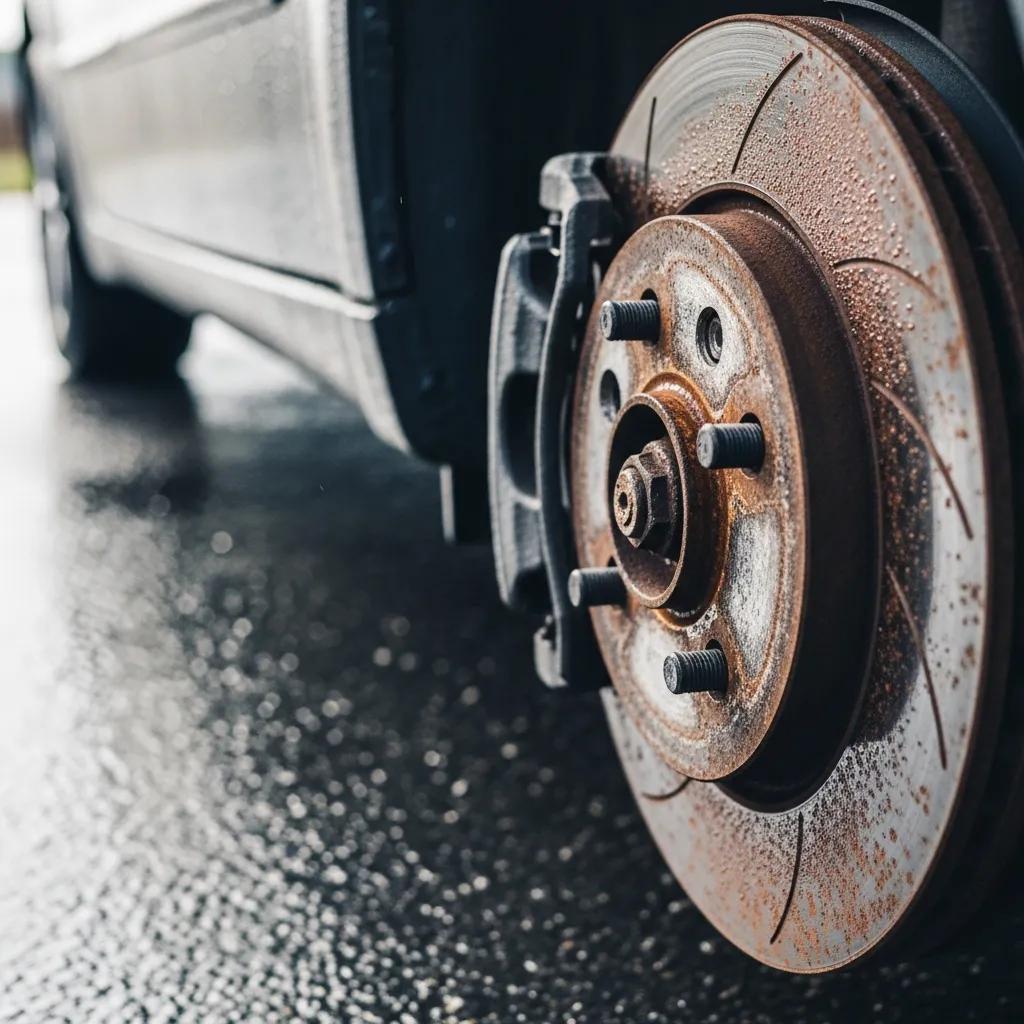
After damp nights, a thin film of surface rust can form on the rotors. The first few stops can produce a high‑pitched squeal as pads bed through that rough layer. In most cases a few normal braking cycles polish the rust away and the noise stops. If the squeal continues, it may indicate uneven wear, glazing or rotor damage that deserves inspection.
Moisture, dirt and road salt collect on rotors and pads in wet weather. Humidified pads behave differently and can grab or vibrate until they dry or are cleaned. Regular visual checks and cleaning reduce seasonal noise and help prevent contaminants from accelerating wear.
Researchers note that rust on the disc surface and humidified pads are common temporary noise sources that often clear after repeated braking.
Brake Noise Causes: Rust & Humidity on Discs
Creep‑groan or squeal commonly occurs when rust forms on the disc friction surface and when brake pads become humidified; repeated friction braking often removes the rust and stops the noise.
Development of Regenerative Brake Control Strategy to Remove Brake Rust, 2019
Not every squeal requires urgent action, but some patterns do. Persistent noise, grinding, or changes in pedal feel are warning signs that should prompt service.
As pads wear they lose their damping ability and can vibrate against the rotor, creating a persistent squeal. Rotors can also glaze after overheating, forming a hard, smooth surface that reduces friction and increases noise. Over time these conditions lower braking effectiveness and raise repair costs if left unattended.
Studies show temperature, wear and corrosion affect brake noise and that improved damping can help reduce squeal.
Brake Squeal Reduction: Impact of Temperature & Wear
Thermal stress, torque variation, wear and corrosion all influence brake performance and noise. Time, temperature and wear determine how effective damping improvements will be.
Brake Squeal reduction through improved rotor damping, 2019
Loose calipers, worn hardware or pads that aren’t seated correctly can rattle or vibrate and create intermittent squeal. Secure mounting, proper shims and correct lubrication are essential. If you notice unusual vibration or an on‑and‑off squeal, have the mounting and hardware checked before the issue worsens.
Begin by listening and feeling: the sound’s pitch and when it occurs point to different causes and help prioritize inspection and repair.
Squeal is usually high‑pitched and intermittent — often pad or surface related. Grinding is a low, harsh sound that typically means metal‑on‑metal contact from worn pads. Vibration felt through the pedal or steering wheel often indicates warped rotors or loose parts. Identifying the noise guides the next steps.
If the noise doesn’t clear after a few stops, or if you hear grinding, feel vibration, or notice a change in pedal response, schedule an inspection. Regular checks catch small problems before they become expensive or unsafe — and keep your BMW or Mini performing reliably.
Schneller BMW & Mini Specialists address both seasonal noises and more serious brake faults. Our services are tailored to BMW and Mini models, from routine checks and cleaning to rotor machining and full pad replacement.
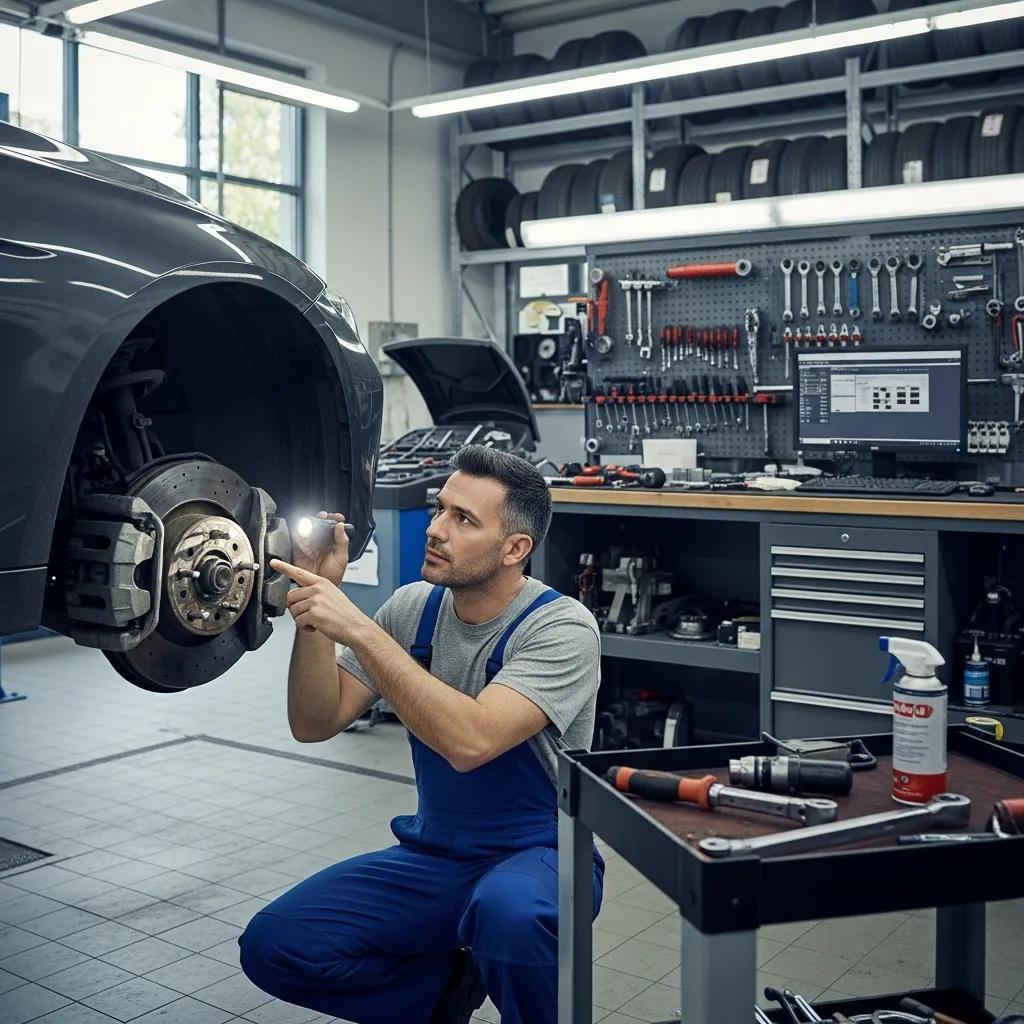
Our 54‑point inspection includes a focused brake evaluation: pad thickness, rotor condition, caliper operation, lines and fluid. Catching wear or mounting issues early prevents louder problems and avoids unnecessary downtime or expense.
Independent BMW specialists like Schneller BMW bring BMW‑specific knowledge, fair pricing and personal service. With more than 30 years serving the area, we combine factory‑level expertise with practical advice to keep your car safe, quiet and dependable.
Seasonal checks keep weather‑related noises from becoming safety issues. A few focused tasks each spring can make a noticeable difference.
This spring routine is simple: inspect pads and rotors for wear, remove built‑up debris, and check for surface rust. Verify caliper slides are clean and lubricated and confirm brake fluid level. These quick steps reduce noise and protect braking performance.
Applying the correct lubricant to contact points, tightening hardware to spec and installing the right shims all reduce vibration and pad movement that cause squeal. Proper adjustment keeps components aligned so braking is smooth and quiet.
Understanding common springtime causes of brake squeal and spotting warning signs helps you stay safe and confident on the road. Regular maintenance and prompt inspections are the easiest ways to protect your BMW or Mini.
Persistent squealing, grinding noises and vibration are the primary signs. Squeal can indicate worn pads or surface rust; grinding often means pads are severely worn and metal is contacting metal. Vibrations usually point to warped rotors or loose hardware. Any of these warrant a brake check.
Humidity, road salt and temperature swings allow moisture and contaminants to build up on brake parts. That changes pad‑to‑rotor contact and can increase noise or wear. Regular cleaning and inspections limit those effects.
Regularly inspect pads and rotors, remove debris, keep sliding parts lubricated, and replace worn components promptly. Correct shimming and proper torque on hardware also help stop vibration‑related squeal.
At a minimum, have your brakes inspected annually or about every 12,000 miles. If you notice unusual noise, vibration or changes in pedal feel sooner, book an inspection right away.
Listen and observe: if the squeal is light and goes away after a few stops, it’s likely surface rust or dust. If it persists, you hear grinding, or the pedal feels different, bring the car in so a technician can diagnose the cause.
Yes. Spring maintenance should include a thorough inspection, cleaning of brake components, lubrication of slides and contact points, pad and rotor checks, and a brake fluid level check. These steps reduce seasonal noise and keep stopping power consistent.
Seasonal brake squeal is usually manageable, but persistent noise or any change in braking performance should be inspected. Routine maintenance keeps your BMW or Mini safe and performing well. If you’d like help, Schneller BMW & Mini Specialists offer BMW‑focused brake care — schedule a 54‑point inspection and give your brakes a clean bill of health.

Monday – Friday: 9:00 AM – 5:00 PM
Saturday & Sunday: Closed